If your ideal day starts with a walk under the trees, a bike ride before work, or time on the water by the weekend, Chesapeake deserves a close look. This city offers a wide range of outdoor living, from suburban neighborhoods near parks to quieter areas shaped by rivers, trails, and open land. If you are trying to match your home search to the way you actually want to live, this guide will help you see where Chesapeake stands out. Let’s dive in.
Why Chesapeake Appeals to Outdoor-Minded Buyers
Chesapeake is not just a city with a few parks tucked into busy neighborhoods. It is a 353-square-mile community with a park system that includes 90 parks across 3,485 acres, according to the city. Chesapeake also has a stated goal of providing access to a public park or meaningful open space within a 10-minute walk.
That matters when you are choosing where to live. It suggests outdoor access is part of the city’s broader planning approach, not just a bonus in a few select pockets. For buyers who want a home that supports an active routine, that creates more options across different parts of the city.
The outdoor mix is also broad. Chesapeake supports walking, running, cycling, birdwatching, fishing, crabbing, boating, kayaking, canoeing, horseback riding, camping, disc golf, and mountain biking. In practical terms, you can narrow your search based on the activities you enjoy most, instead of settling for a one-size-fits-all neighborhood.
Chesapeake Outdoor Lifestyle by Area
Deep Creek for Nature and Quiet
Deep Creek is Chesapeake’s largest planning area, and it wraps around the Great Dismal Swamp National Wildlife Refuge. City planning describes the area as suburban with a small-town feel and notes strong local interest in preserving natural areas and parks.
If you want access to wetlands, trails, and a quieter pace, Deep Creek is one of the clearest fits. It can appeal to buyers who value a little more breathing room and want daily life to feel closer to nature.
Great Bridge for Water Access and Central Location
Great Bridge sits near the middle of Chesapeake and centers around places like the Great Bridge Locks and Great Bridge Lock Park. The city describes the area as largely suburban single-family development, with more rural and lower-density housing farther south.
For outdoor-minded buyers, Great Bridge offers a strong balance. You can enjoy civic amenities and water-oriented recreation while staying connected to the middle of the city. It is a practical option if you want boating, fishing, or kayaking nearby without moving too far from everyday conveniences.
Western Branch for Trails and Convenience
Western Branch combines suburban neighborhoods, commercial areas, and natural amenities. It includes Western Branch Park and a connection to the East Coast Greenway trail.
That mix makes Western Branch especially appealing if you want a conventional suburban setting with easy recreation built into your routine. You may find it attractive if your goal is simple access to parks and trails without giving up convenience.
Grassfield and Greenbrier for Newer Homes and Park Access
Grassfield is Chesapeake’s newest and second-fastest-growing planning area. The city describes it as a place with agricultural and open space character mixed with newer low-density suburban neighborhoods.
Greenbrier offers a different version of outdoor living. It is the city’s main commercial hub and largest employment center, but it also benefits from proximity to City Park and the Chesapeake Arboretum. If you want outdoor access without losing easy access to shopping, services, and a range of housing types, Greenbrier is a strong match.
Southern Chesapeake for Space and Rural Character
Southern Chesapeake is one of the city’s most rural planning areas. It blends agricultural history, preserved open space, and a trend toward larger-tract single-family homes.
For buyers drawn to more land, more privacy, and a slower pace, this area can feel especially compelling. Northwest River Park and the Northwest River Natural Area Preserve reinforce that outdoor identity and add options for hiking, boating, fishing, camping, and equestrian use.
Rivercrest for River Recreation
Rivercrest offers a more river-oriented setting with access to Elizabeth River Park. The area also has a greater concentration of multi-family housing than much of Chesapeake.
This can be a good fit if you want direct access to waterfront recreation and a housing style that may differ from the city’s more common suburban pattern. Still, the city notes that waterfront access here also comes with flood risk, which is an important factor to weigh as you compare options.
Indian River for Established Neighborhood Feel
Indian River gives buyers a more compact and established option. City planning describes it as a smaller former naval bedroom community with connected, tree-shaded neighborhoods.
It also stands out for active buyers because Indian River Park is home to the Eastern Virginia Mountain Bike Trail. If you like an older neighborhood pattern and want a biking-oriented lifestyle, Indian River is worth a closer look.
Signature Outdoor Destinations in Chesapeake
Some parks and trails play a major role in shaping how Chesapeake feels day to day. These destinations help define the city’s outdoor identity and often influence which areas buyers explore first.
Dismal Swamp Canal Trail
The Dismal Swamp Canal Trail is an 8.6-mile multiuse corridor and one of Chesapeake’s clearest headline amenities for cyclists, walkers, and runners. If daily trail use is high on your list, this feature alone can shape where you want to focus your search.
Great Dismal Swamp National Wildlife Refuge
The refuge offers more than 40 miles of trails and boardwalks, along with lakefront piers and a boat ramp. For buyers who prioritize wildlife viewing, long trail networks, and a deeper sense of immersion in nature, few places in the region offer this kind of setting.
Chesapeake Arboretum
The Chesapeake Arboretum is a 51-acre city-run nature site with about 3.5 miles of walking trails in a wooded environment. It is especially relevant for buyers who want easy, everyday walking access in a more central part of the city.
Northwest River Park
At 763 acres, Northwest River Park is one of Chesapeake’s major recreation anchors. It includes boating, fishing, hiking, camping, equestrian uses, and disc golf, which makes it one of the city’s most versatile outdoor destinations.
City Park and Other Daily-Use Parks
City Park serves as a major community gathering space with event programming and outdoor recreation. Oak Grove Park and Western Branch Park also deserve attention if your idea of outdoor living is less about weekend adventure and more about regular walks, jogs, and open green space close to home.
What Outdoor-Oriented Housing Looks Like
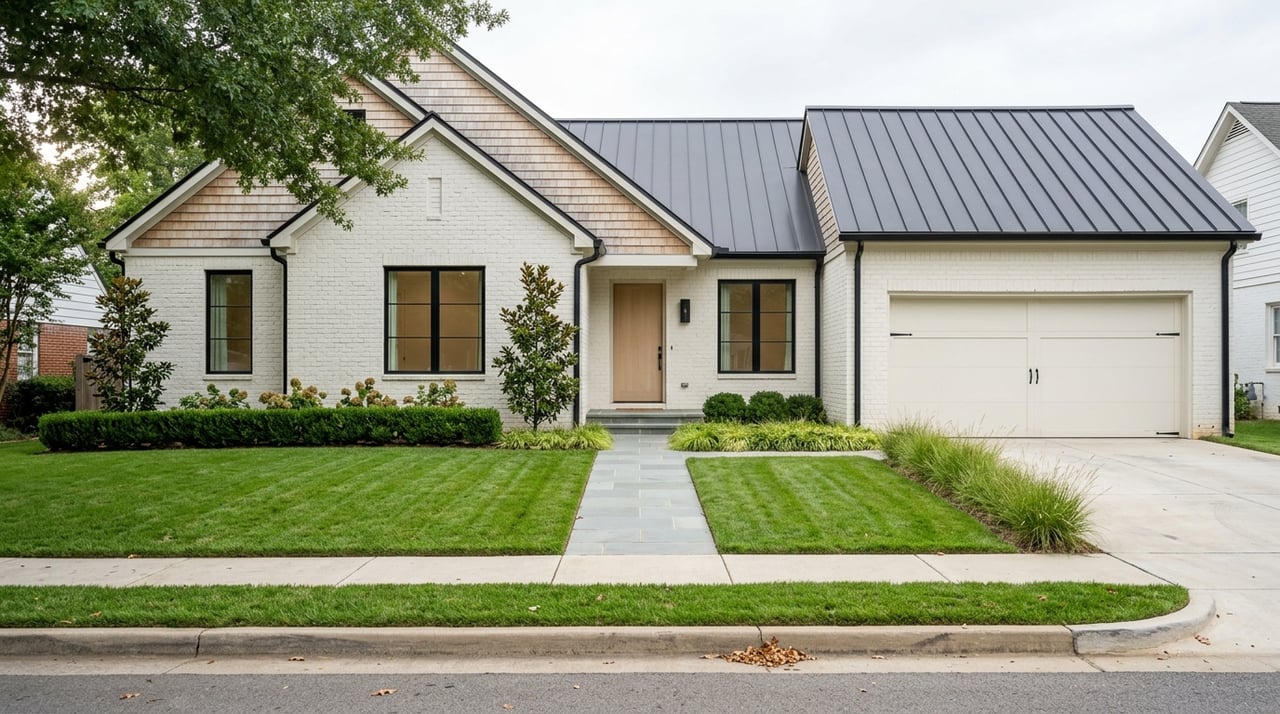
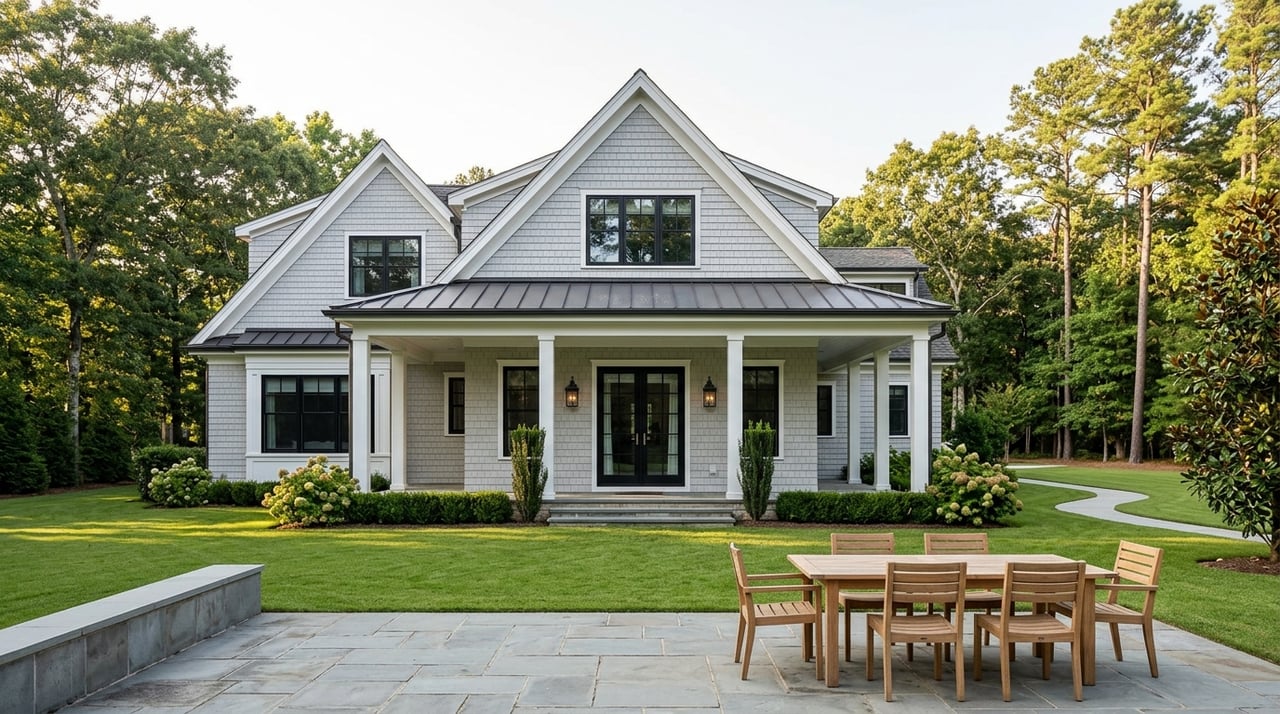
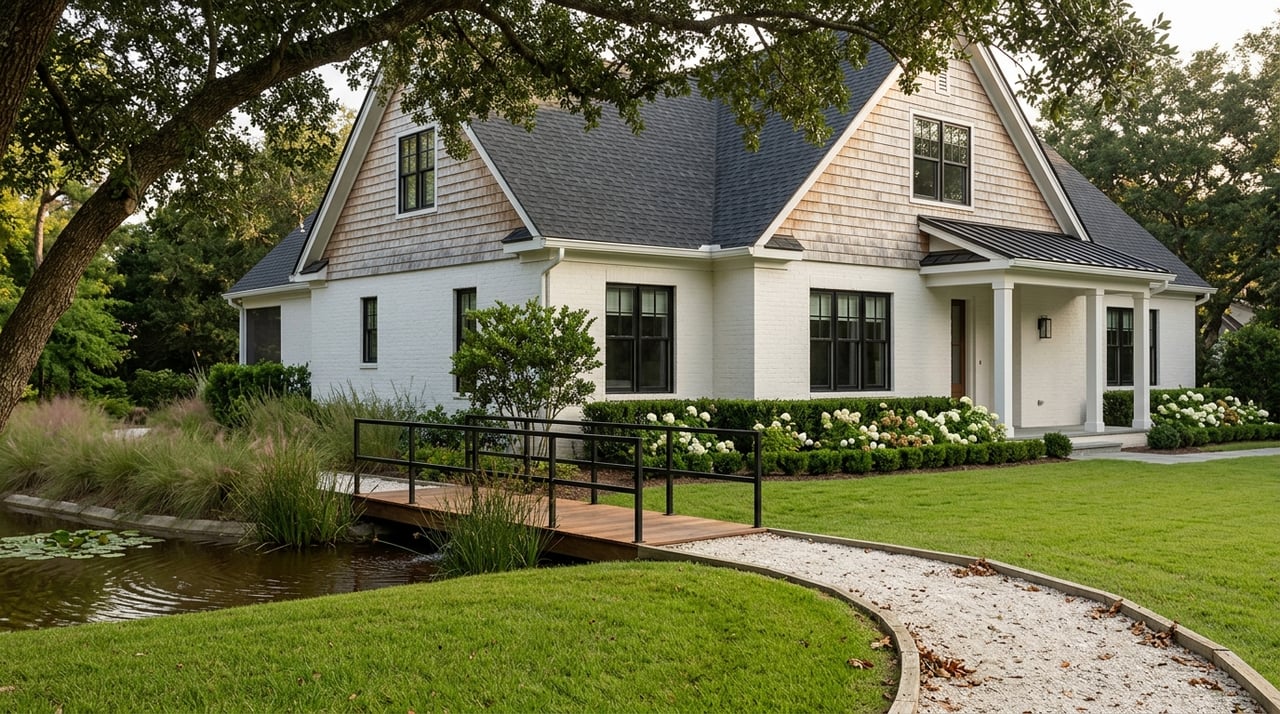
One of Chesapeake’s strengths is that outdoor living does not point to just one housing type. The city’s character districts show a broad range, from low-scale neighborhoods made up mostly of single-family detached homes to mid-scale areas with more townhomes and small multi-family buildings.
That gives you flexibility as you plan your move. You may want a larger single-family home near parks and green space, a townhome closer to commercial areas, or a lower-density property where land and privacy matter more than convenience.
In rural areas, housing tends to be very low density and often tied to agricultural landscapes. In more suburban sections, you will see stronger connections to schools, roads, shopping areas, and neighborhood parks. Your best fit often comes down to how you weigh access, acreage, and maintenance.
Convenience Versus Seclusion
This is one of the most useful ways to think about Chesapeake. The city gives you several versions of outdoor living, but they do not all feel the same.
If you want quick access to work centers, services, and a broader housing mix, Greenbrier and Western Branch may stand out. If you are looking for a quieter setting with stronger ties to open land, Southern Chesapeake and Deep Creek may feel more aligned.
Great Bridge often lands in the middle, offering a suburban base with water access and a central position. Indian River can appeal if you prefer an established neighborhood feel, while Rivercrest may suit buyers who want the river nearby and understand the tradeoffs that can come with waterfront locations.
A Smart Way to Narrow Your Search
If you are comparing neighborhoods in Chesapeake, start with your actual routine. Think about the outdoor activities you want to enjoy on a weekly basis, not just once or twice a year.
Ask yourself questions like these:
- Do you want daily walking or jogging access?
- Do you care most about biking or mountain biking?
- Would you use boating, kayaking, or fishing access often?
- Do you want more land and privacy, even if it means a longer drive?
- Do you prefer a newer suburban neighborhood or a more established one?
When you answer those questions first, the neighborhood picture becomes much clearer. Instead of searching only by price or square footage, you can search by lifestyle fit.
Chesapeake is especially appealing because it gives you real variety within one city. You can choose swamp-edge trails, river recreation, wooded walking paths, campground-style amenities, or suburban neighborhoods with consistent access to green space.
If you want help matching your priorities to the right part of Chesapeake, the team at Better Homes and Gardens Real Estate NAGR Luxury can help you explore neighborhoods with your lifestyle, timeline, and goals in mind.
FAQs
What makes Chesapeake a good city for outdoor living?
- Chesapeake offers 90 parks across 3,485 acres, a citywide goal for park or open-space access within a 10-minute walk, and amenities that support walking, biking, boating, fishing, camping, and more.
Which Chesapeake area is best for trails and nature access?
- Deep Creek stands out for its connection to the Great Dismal Swamp area, while the Dismal Swamp Canal Trail and Great Dismal Swamp National Wildlife Refuge are major trail and nature draws.
Which Chesapeake neighborhoods fit buyers who want suburban living and outdoor access?
- Western Branch, Great Bridge, Grassfield, and Greenbrier each offer a suburban setting with access to parks, trails, or water-oriented recreation.
Where can you find rural outdoor-oriented living in Chesapeake?
- Southern Chesapeake is one of the city’s most rural planning areas and is associated with preserved open space, larger-tract homes, and access to Northwest River Park.
What should buyers know about waterfront living in Chesapeake?
- Waterfront and river-adjacent settings can offer strong recreation access, but some areas, including Rivercrest, may also have flood risk that buyers should carefully consider.
Which Chesapeake area is best for mountain biking?
- Indian River is especially relevant for mountain biking because Indian River Park includes the Eastern Virginia Mountain Bike Trail.