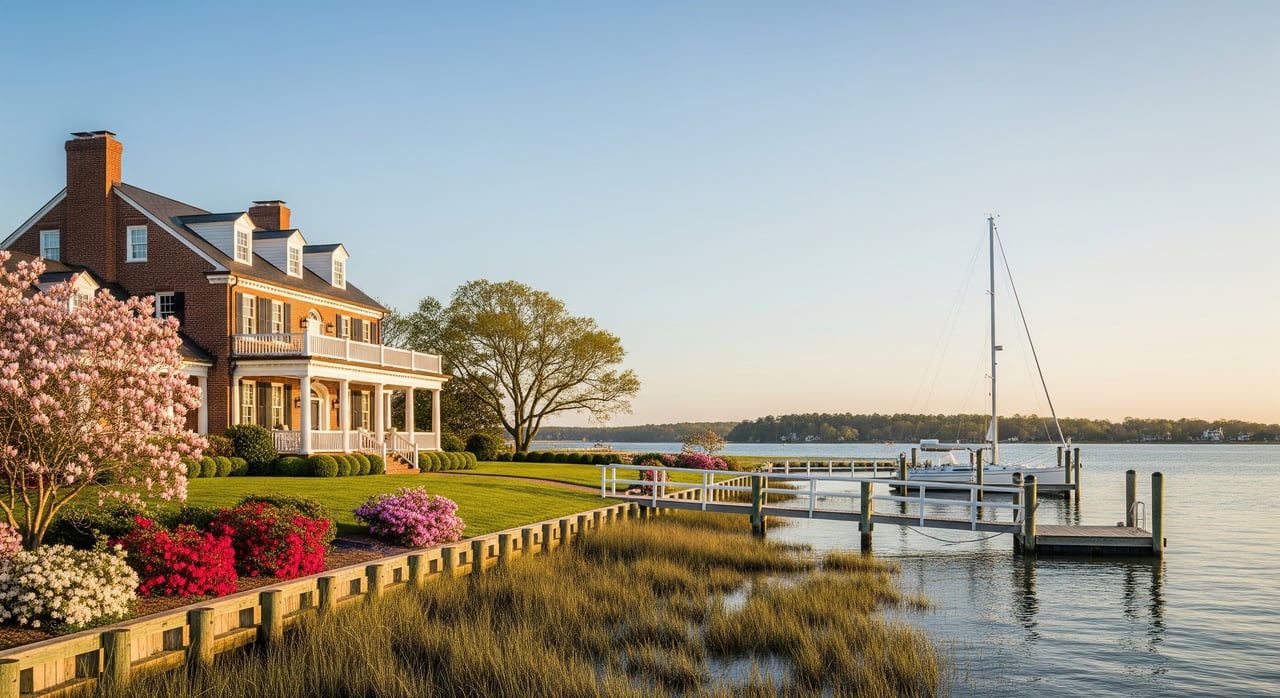
Thinking about selling your Hampton home and want to get the timing right? You are not alone. Local seasons, military move cycles, and even hurricane forecasts can shape how fast you sell and for how much. In this guide, you will learn when buyer demand is strongest in Hampton, how to read the market before you list, and the exact steps to get your home show‑ready in 8 to 10 weeks. Let’s dive in.
Hampton selling seasons at a glance
Spring and early summer tend to be the most active times to sell. Warmer weather, longer days, and fresh landscaping create strong first impressions. Local buyers come off the sidelines, and more homes hit the market, which raises both buyer traffic and competition.
- Spring (March to May): Buyer activity and pricing conditions are often strongest. Curb appeal improves and showings are easier to schedule.
- Early summer (June to July): Demand remains high and military Permanent Change of Station, or PCS, moves are in full swing. Expect faster sales but also more competing listings.
- Late summer to early fall (August to September): Activity steps down from peak but stays solid. Many families aim to finish moves around the school calendar.
- Fall to winter (October to February): The slowest stretch. Fewer buyers tour, yet serious and relocation buyers stay active. Well‑priced homes can still move quickly.
Military PCS timing in Hampton
Hampton’s market is shaped by Joint Base Langley–Eustis. PCS activity typically peaks late spring through summer. That surge can create concentrated windows of demand and firm buyer timelines.
School and college calendars
Many families plan closings for summer to avoid moving mid‑year. Hampton University and nearby colleges also affect rental and turnover patterns, which is a smaller but real factor.
Weather, flooding, hurricane season
Atlantic hurricane season runs from June 1 through November 30. Severe weather can disrupt showings and closings. If your property is waterfront or in a low‑lying area, factor in flood disclosures, insurance details, and timing around major storms.
Inventory and competition
More sellers list in spring, which increases choices for buyers. In late fall and winter, fewer listings can help your home stand out, even though overall traffic is lighter.
When to list for top results
If your goal is maximum buyer traffic and a competitive sale price, target March through May. Homes often show beautifully in spring and capture early summer movers. If you prefer to align with PCS activity, listing in late spring or early summer can place you in front of relocation buyers who must move on set timelines.
August and September can still deliver solid results, especially if inventory thins. From October through February, expect more price‑sensitive buyers and longer decision cycles, but take advantage of lower competition and motivated shoppers.
Luxury and waterfront timing tips
Lifestyle properties and waterfront homes shine when outdoor spaces look their best. Late spring and early summer allow you to showcase docks, patios, and views. Avoid listing during active storm watches and be ready with flood and maintenance documentation.
Targeting military buyers
To reach active PCS movers, list 6 to 8 weeks before common closing windows that run June through August. Flexible showing times and clear commute details to Joint Base Langley–Eustis help these buyers act fast.
Read the market first
Before you pick a date, ask your agent to pull recent Hampton metrics and compare them to the same period last year. Look closely at:
- Median sale price by month
- New listings and active inventory
- Pending and closed sales counts
- Days on Market, or DOM
- Percent of list price received
- Frequency of price reductions
- Buyer traffic or showings data, when available
How to interpret trends
- Lower DOM and tighter inventory often favor sellers, which supports listing sooner within the active window.
- If new listings spike but buyer traffic does not, competition is rising. Consider sharper pricing, enhanced staging, or a slightly later launch.
- If list‑to‑sale ratios slip below your area norm and price reductions increase, prepare for stronger condition, pricing discipline, or incentives.
- Use the most recent 30 to 90 days to guide tactical decisions.
Your 8 to 10 week plan
Start early so you can launch into a strong demand window without rushing. Here is a simple timeline you can adapt to any season.
8 to 10 weeks out
- Hire a listing agent with Hampton Roads and military relocation experience if relevant.
- Order a comparative market analysis and outline your pricing strategy.
- Gather documents: deed, prior survey, HOA materials, recent utilities, past inspections, and any flood insurance info.
- Check FEMA flood status and insurance needs if your property is waterfront or low‑lying.
6 to 8 weeks out
- Complete major repairs and tackle deferred maintenance such as roof, HVAC, and wood rot.
- Consider a pre‑listing inspection for older or waterfront homes.
- Begin decluttering and deep cleaning. Refresh paint and update worn hardware.
- Boost curb appeal with landscaping, mulch, and seasonal planting.
4 to 6 weeks out
- Finalize staging. Professional staging is recommended in competitive price ranges.
- Schedule professional photography to align with your go‑live week. Twilight photos help waterfront or view homes.
- Obtain an elevation certificate or flood documentation if applicable.
- Pull permits and wrap repairs that could delay your list date.
2 to 3 weeks out
- Confirm price, marketing plan, and open house schedule with your agent.
- Prepare Virginia property disclosures and condition statements.
- Pack non‑essentials and create a showing plan that allows flexible access.
1 week out
- Complete a final clean and staging touch‑ups.
- List early in the week, often Tuesday through Thursday, to capture mid‑week traffic and peak weekend showings.
- Consider a broker preview and a public open house on the first weekend.
Pricing and presentation strategy
Pricing
- Balance strong spring demand against higher competition. In crowded weeks, a sharp list price is key.
- For homes that need updates or have unique factors such as flood zones, consider pricing slightly below neighborhood medians to spur multiple offers.
- Use recent comparable sales within 30 to 60 days, adjusted for lot, condition, waterfront access, and proximity to major employers and schools.
Staging and marketing
- Invest in professional photos, floor plans, and if useful, drone and virtual tours for waterfront or larger lots.
- Highlight lifestyle value: access to I‑64, proximity to downtown Hampton, waterfront amenities, and commute times to Joint Base Langley–Eustis.
- For family buyers, offer clear information on school zones and commute options in neutral, factual terms.
Inspections and disclosures
- A pre‑listing inspection can reduce renegotiations and speed closing.
- Provide flood zone status, elevation certificates, and insurance history upfront for waterfront or low‑lying properties.
- Complete all Virginia disclosures accurately and consult your agent if unusual conditions exist.
Waterfront and flood zone essentials
Buyers expect clarity about water access and risk. Organize these items before day one on market:
- Dock, bulkhead, shoreline, and erosion condition notes
- Elevation certificate and flood insurance information
- Any mitigation or drainage improvements you have completed
- Seasonal photos that show outdoor living at its best
Present the property during calm, fair weather whenever possible. If a storm is forecast or has just passed, adjust your schedule to ensure safe and smooth showings.
Smart timing for taxes, logistics
The federal capital gains exclusion for a primary residence can be affected by when you sell, especially if you are close to the two‑out‑of‑five‑years threshold. Speak with a tax professional about your specific situation. Also plan for busy lender seasons in spring and summer, plus insurance underwriting timing for coastal homes.
Bottom line for Hampton sellers
For most Hampton homes, March through July brings the strongest mix of buyer traffic and pricing power. Your exact best week depends on inventory, DOM, and your personal timing around school or PCS moves. Follow a clear 8 to 10 week plan, price with fresh comps, and launch mid‑week with standout marketing to capture the first weekend’s momentum.
If you want a tailored timing and prep strategy for your property, connect with our local team. We pair luxury‑grade presentation with proven relocation expertise to help you sell with confidence. Schedule your next step with Better Homes and Gardens Real Estate NAGR Luxury.
FAQs
What is the best month to sell in Hampton, VA?
- Most sellers see the strongest activity from March through July, with exact timing shaped by current inventory, DOM, and your goals.
How far in advance should I prepare to list in Hampton, VA?
- Begin 6 to 10 weeks before your target date to complete repairs, staging, inspections, and marketing prep without rushing.
Should I avoid listing during hurricane season in Hampton, VA?
- Do not list during active storm watches or immediate recovery periods. Otherwise, weigh strong summer demand against possible weather disruptions.
How can I reach military buyers moving to Hampton, VA?
- List 6 to 8 weeks before typical PCS closing windows in June through August, and highlight commute times to Joint Base Langley–Eustis.
Do waterfront homes in Hampton, VA sell better in summer?
- They can sell year‑round, but late spring and early summer help outdoor spaces shine. Provide flood and dock documentation upfront for smoother deals.