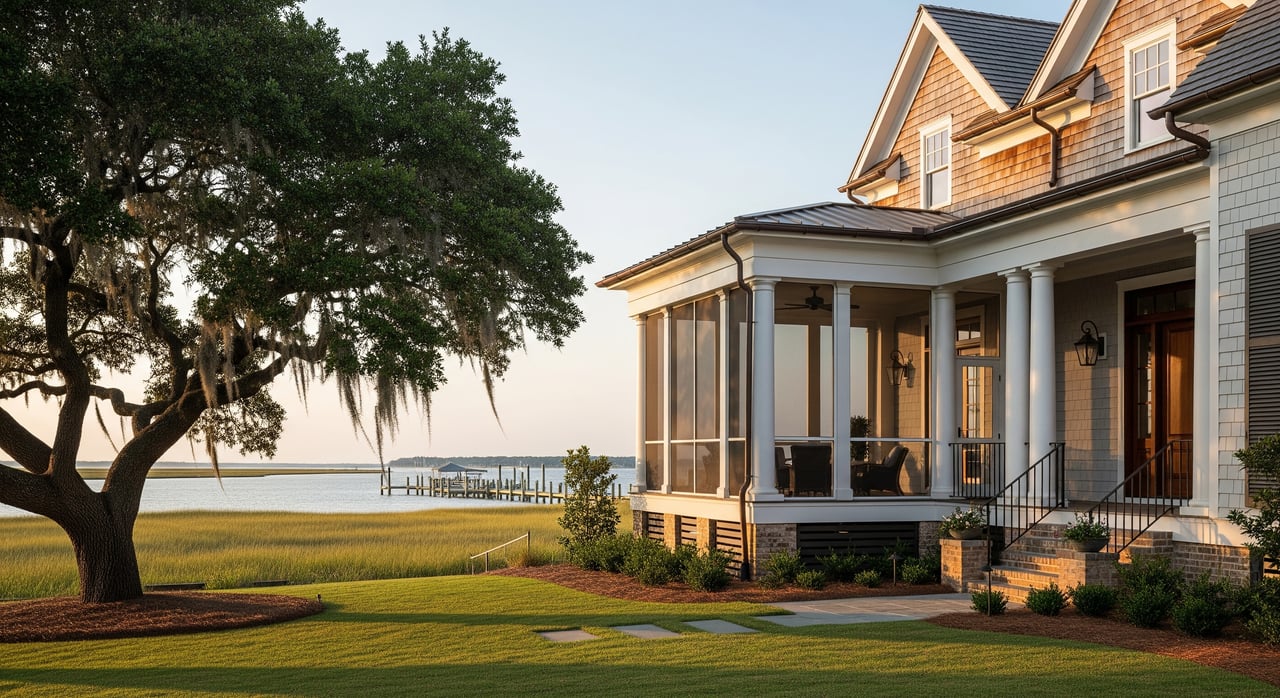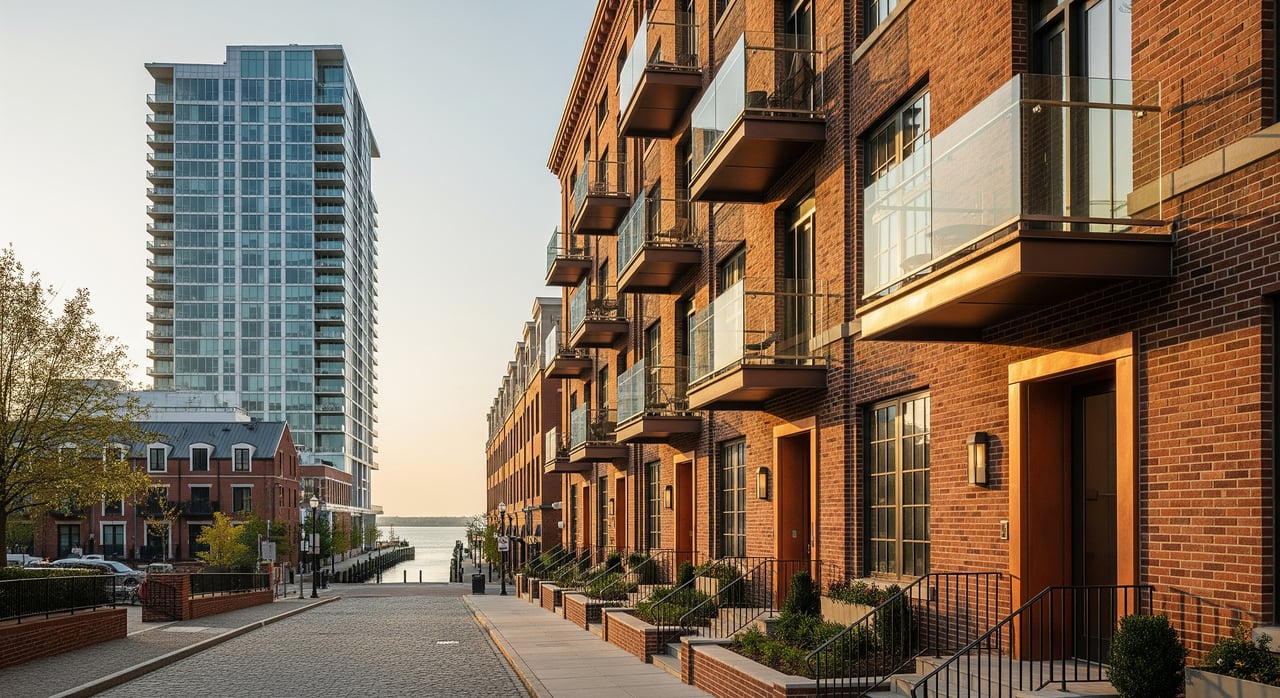
Ever wonder why two homes just a few blocks apart in Downtown Norfolk can list for very different prices? You are not imagining it. Small pockets of the city behave like their own markets, and those differences can change your pricing, marketing strategy, and days on market. In this guide, you will learn how housing type, waterfront proximity, and historic versus newer housing pockets shape value, and how to read comps the right way. Let’s dive in.
What a micro-market is and why it matters
A micro-market is a small, distinct area or property type inside a larger market that moves on its own patterns. In Downtown Norfolk, micro-markets form around housing type, waterfront proximity, and the age or character of the homes. Even within a half-mile radius, buyer demand and price per square foot can differ.
These local patterns matter because they affect who will buy your home, what they are willing to pay, and how long a sale may take. A condo with river views attracts a different buyer pool than a historic townhouse or a newer infill rowhome. If you use broad city averages to price or shop, you can miss the mark.
Housing type shapes price and timing
Different property types draw different buyers and financing, which changes both price and days on market.
Price drivers by property type
- Single-family homes often command higher absolute prices, especially with private outdoor space, garages, or upgraded systems.
- Condos and lofts can sell at higher or lower price per square foot depending on building amenities, views, HOA fees, and rental rules.
- Townhouses usually sit between condos and detached homes, offering a blend of private space with lower exterior maintenance.
Days on market patterns
- Condos downtown can see longer days on market when supply is high or when several similar units compete. Investor interest and interest rates can also influence timing.
- Single-family homes that are turnkey or have unique lot features tend to sell faster. Older homes needing significant updates may take longer.
Transaction factors to watch
- Condo financing can be stricter. Some loans require building-level approvals and certain owner-occupancy ratios, which can narrow the buyer pool.
- HOA dues, special assessments, and building financials can lead buyers to adjust their offers or extend due diligence.
Waterfront proximity, views, and flood exposure
In a coastal city like Norfolk, water can raise value and risk at the same time.
How views and access influence price
- High-quality waterfront views and direct access often increase willingness to pay for lifestyle and prestige.
- That premium varies by building, elevation, and the clarity of the view. Parking and storage add further lift.
Flood risk and carrying costs
- Flood zone designations and first-floor elevation can affect insurance, loan terms, and buyer demand.
- Higher flood insurance premiums and future mitigation needs can reduce a buyer’s effective budget, especially for lower-elevation homes.
What this means for days on market
- Properties with strong views and solid flood mitigation, like elevated first floors or resilient design, tend to move faster.
- Low-lying properties with higher insurance costs or needed retrofits can sit longer and often see more price negotiation.
Historic pockets versus newer infill
Downtown includes celebrated historic districts and newer infill projects. Each has a different draw.
Price and appeal
- Historic areas such as the Freemason Historic District often earn a premium for architecture, character, and established streetscapes.
- Some buyers prefer newer systems and flexible renovation options, so newer infill can capture those looking for low-maintenance living.
Renovation rules and incentives
- Local historic districts use design review for exterior changes. That can add time and cost to renovations.
- Eligible rehabilitation tax credits may offset part of qualified work, which can help investors and buyers who plan sensitive restoration.
Days on market patterns
- Turnkey historic homes on desirable blocks can sell quickly at premium prices.
- Properties needing specialized restoration or facing strict design constraints may take longer and draw a narrower buyer pool.
How to read comps across micro-markets
Reading comps correctly is the most important step to setting expectations. Keep your search tight, your time frame recent, and your adjustments clear.
Set up your comp search
- Start close. Aim for a 0.25 to 0.5 mile radius in downtown areas so streetscape, walkability, and access are comparable.
- Use the most recent 3 to 6 months of closed sales. If sales are sparse, expand to 6 to 12 months and weigh older comps less.
- Match property type first. Compare condos to condos, townhouses to townhouses, and single-family homes to single-family homes.
Key adjustments to consider
- Size and layout. Bedrooms, bathrooms, and total living area matter. Adjust for true functional living space.
- Lot and outdoor space. Yards, decks, and private docks add value versus no outdoor space.
- Waterfront and views. Apply a premium for high-quality views and direct water access; discount first-floor units in flood-prone spots without mitigation.
- Flood zone and elevation. Account for required insurance and elevation costs that affect affordability.
- Condition and systems. Recent updates to kitchens, baths, HVAC, roof, and windows support higher prices and faster sales.
- Historic constraints. Premium for well-preserved character; subtract for sensitive or expensive repairs and design-review timelines.
- Condo amenities and rules. Parking, elevator access, fitness facilities, storage, and rental rules can materially change value.
Two quick example scenarios
- Scenario A: Two 1,200-square-foot residences with the same bed and bath count. One is a mid-rise waterfront condo with a strong view and on-site parking. The other is a rowhouse two blocks inland with a small yard. Weigh the view premium and parking against HOA dues, building rules, and flood exposure, plus the value of private outdoor space.
- Scenario B: An 1890s historic townhouse in a design-review district and a newly built infill townhouse on the same block. Compare renovation flexibility, systems age, eligibility for potential tax-credit work, and the likely buyer profiles.
Local factors that move Downtown Norfolk pricing
- Flood risk and resilience planning. FEMA flood maps and city resilience projects shape insurance requirements and long-term buyer perceptions.
- Financing dynamics. Condo approvals and loan constraints can reduce the buyer pool for certain buildings or flood zones, affecting both price and speed.
- Employment and entertainment hubs. Proximity to major employers and venues influences demand for walkable housing types.
- New supply and short-term rentals. New condo releases or shifts in investor activity can temporarily tilt supply and demand within a few blocks.
Practical checklists
For sellers: pricing and prep
- Identify your true micro-market by property type, view orientation, and block-level context.
- Use three sold comps within 0.5 mile and the last 3 to 6 months when possible.
- Document flood zone, elevation, and typical insurance costs up front.
- For condos, organize HOA dues, financials, reserves, and any known assessments.
- For historic homes, gather design-review history and relevant approvals.
- Prioritize turnkey fixes that matter most to buyers: visible condition, systems, and parking or storage.
For buyers: due diligence
- Ask for comps that match property type, view, and flood exposure, not just square footage.
- Build a realistic budget that includes HOA dues, flood insurance, and maintenance or restoration needs.
- For condos, review rental rules, owner-occupancy ratios, and building reserves.
- For historic homes, understand design-review steps and timelines before planning renovations.
What to ask your agent to provide
- Three to five closed comps, with distance, sale date, and days on market noted.
- List-to-sale price ratios and any known seller concessions.
- Flood-zone and elevation context for the subject property and comps.
- HOA fee summaries, special assessment history, and building amenities for condos.
- Condition notes and recent upgrades for each comp.
Setting expectations for price and timing
Micro-markets determine who will compete for your home and how quickly offers arrive. A top-floor condo with a river view in a well-managed building may command a strong price, but it will compete directly with similar units and will be sensitive to HOA details and financing. A turnkey historic townhouse may draw multiple interested buyers who value character, while a similar home needing specialized restoration may sit longer and invite repair credits.
If you align your pricing and marketing with the right micro-market, you reduce days on market and improve your odds of a clean contract. If you are buying, focusing on the right micro-market helps you spot value and avoid surprise costs tied to insurance, HOAs, or renovation rules.
When you want a confident plan for Downtown Norfolk, work with a team that combines luxury presentation with deep local analysis. Our concierge approach brings the data, the comps, and the process to you so you can move forward with clarity. Ready to talk through your block, your building, or your view? Schedule a Free Consultation with Better Homes and Gardens Real Estate NAGR Luxury.
FAQs
What is a micro-market in Downtown Norfolk?
- It is a small, distinct pocket or property type inside downtown where pricing and buyer demand behave differently than the broader city, often by housing type, waterfront proximity, or historic character.
How do condos and townhouses compare on price and speed?
- Townhouses often sit between condos and single-family homes on price and may sell faster than similar condos when condo supply is high, while condo values and timing depend heavily on building amenities, views, and HOA rules.
Do waterfront views always increase value downtown?
- Quality views and direct access typically lift prices, but the premium can be reduced by flood exposure, required insurance, and the cost of future mitigation.
How far back should I go when pulling comps?
- Aim for sales in the last 3 to 6 months; if activity is slow, expand to 6 to 12 months but give older sales less weight and adjust for market changes.
How do flood zones affect mortgages and insurance?
- Homes in higher-risk zones often require flood insurance and may face stricter lending terms, which affects affordability and can influence buyer demand and days on market.
What can slow a condo sale in Downtown Norfolk?
- Building-level financing hurdles, higher HOA dues or special assessments, rental restrictions, and high competition from similar units can lengthen days on market.