Wondering whether Newport News feels better from the water’s edge or from the middle of town? It is a smart question, because this city offers two very different ways to live, and each comes with its own rhythm, costs, and tradeoffs. If you are trying to decide where your daily life will feel easier, more enjoyable, and more aligned with your goals, this guide will help you compare the real differences. Let’s dive in.
Waterfront Living in Newport News
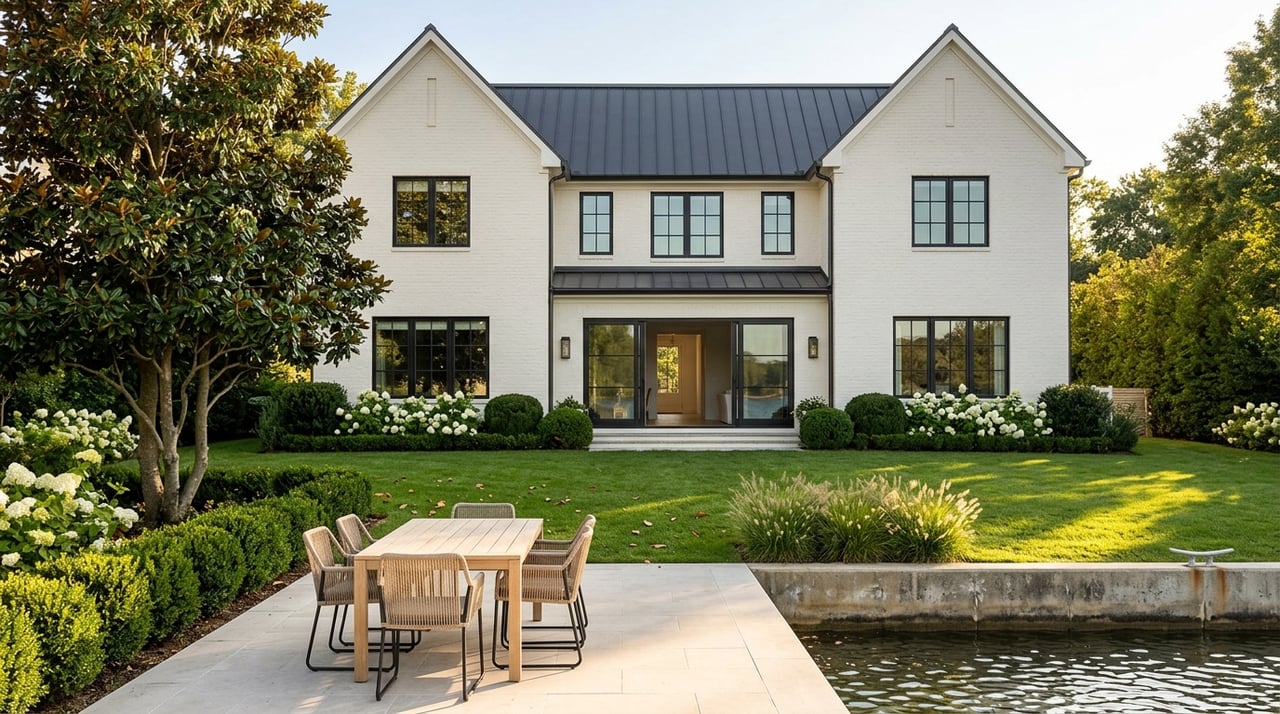
Waterfront living in Newport News is usually about views, access, and atmosphere. You may be drawn to the James River, marina access, or the simple appeal of being close to the shoreline. That lifestyle can feel distinctive, especially when your home connects more directly to the outdoors.
The city also supports water-oriented recreation beyond private homes. Newport News Parks & Recreation says the city operates 36 public parks, 50 miles of trails, and a 194-slip marina. That means even if you are focused on a waterfront property search, your lifestyle may also include broader access to parks and trails across the city.
What surprises some buyers is that waterfront inventory is not concentrated in one single district. Current citywide waterfront listings are spread across smaller pockets, including Central Newport News, South Newport News, North Newport News, and Windward Towers. In practice, that can make the search feel more segmented and more dependent on specific submarkets.
What Waterfront Buyers Should Watch Closely
The biggest difference is not just the scenery. It is the added layer of due diligence that can come with shoreline ownership.
Newport News says the city faces tidal and coastal flooding, storm surge, riverine flooding, and runoff from heavy rainfall in an urban environment. The city is also planning for future sea-level rise using scenarios based on VIMS and NOAA. For you as a buyer, that means flood risk research should be part of the standard review process from the beginning.
The city reports more than 3,600 acres in FEMA’s Special Flood Hazard Area. Newport News directs property owners and buyers to parcel-level flood maps through the city GIS viewer or the Virginia Flood Risk Information System. That makes flood-zone verification an important early step, especially if you are comparing multiple waterfront options.
Flood insurance can also affect the true monthly cost of ownership. FEMA says the Special Flood Hazard Area is the 1 percent annual chance flood zone, flood insurance is required for most government-backed loans in high-risk flood areas, and most homeowners insurance does not cover flood damage. Even when a home looks like a strong value on paper, insurance and lending requirements can change the picture.
Waterfront ownership may also come with additional shoreline rules. Newport News’ Chesapeake Bay Preservation rules include Resource Protection Areas with a 100-foot vegetated buffer, and the city says plans for docks or piers are reviewed for compliance with local, state, and federal requirements. If you are buying for boating or private water access, those property-specific rules deserve careful review before you commit.
The city’s floodplain efforts also show how seriously this issue is treated. Since 1999, Newport News has acquired flood-prone homes and converted about 16 acres to greenspace and wetlands through its Floodplain Assistance Program. That history is a useful reminder that waterfront appeal and flood management go hand in hand in some parts of the city.
In-Town Living in Newport News
If waterfront living is about setting, in-town living is usually about convenience and access. Many buyers who choose in-town areas want easier errands, more nearby services, and a wider mix of housing options. That can make day-to-day life feel simpler and more flexible.
Newport News highlights City Center at Oyster Point, Port Warwick, Patrick Henry Mall, Jefferson Commons, and Historic Hilton Village as key shopping and dining nodes. Downtown projects are also adding riverfront promenade and boardwalk connections along the James River. For you, that can translate into a lifestyle built around proximity rather than private shoreline.
The city describes the Central Precinct corridor along Jefferson Avenue and Oyster Point Road as an area experiencing rapid commercial and residential growth. That helps explain why central Newport News often feels like a service and amenity hub. It is a different kind of lifestyle value than waterfront living, but for many buyers it is the more practical fit.
In-Town Ownership Tradeoffs
In-town homes usually involve more traditional upkeep than shoreline-specific concerns. Depending on the property type, you may be comparing single-family homes, condos, or townhomes rather than focusing on dock access or shoreline conditions. That broader mix can make it easier to match your budget and your daily routine.
One important exception involves historic districts. Newport News says Hilton Village and North End/Huntington Heights are the city’s two historic districts, and each has an architectural review board. If you are considering a home in one of those areas, exterior changes may require extra design review and planning.
That does not make historic areas less appealing. It simply means you should confirm whether a property falls within a district or overlay before making assumptions about renovations or exterior updates.
Price and Inventory Patterns to Know
One of the most helpful takeaways in Newport News is that waterfront does not always mean highest price. The citywide median sale price was $309,000 in March 2026, with homes selling in about 33 days and receiving about 2 offers on average. At the same time, the city’s market report showed tight supply, with 1.7 months of supply for single-family homes and 0.9 months for condos and townhomes.
Waterfront listings show meaningful variation by submarket and property type. Current citywide waterfront listings have a median listing price of $308,000, but that range includes smaller pockets such as Windward Towers at a median listing price of $217,000, Central Newport News at $355,000, and South Newport News at $260,000. That spread matters because it shows the word waterfront alone does not tell you enough about value.
In-town pricing is also varied. Recent figures show Downtown Newport News at a median sale price of $234,000, Hilton Village at $213,000, Central Newport News at $336,000, and Port Warwick at $409,000. The clearest takeaway is directional: some in-town neighborhoods command premium pricing, while some waterfront options may come in lower than buyers expect.
For your search, this means you should compare location, property type, monthly carrying costs, and lifestyle fit together. A waterfront condo may be more accessible than an inland lifestyle neighborhood, while a central or river-adjacent property may command a stronger price because of views, location, or limited supply.
Which Lifestyle Fits You Best?
If you prioritize views, boating, direct outdoor access, or a more one-of-a-kind setting, waterfront living may be the better match. In Newport News, though, that choice usually works best for buyers who are comfortable with extra diligence on flood maps, insurance, maintenance, and shoreline regulations. The limited shoreline supply also means patience can matter.
If you prioritize convenience, dining and retail access, and a broader range of home types, in-town living may be the stronger fit. Newport News’ central commercial areas, downtown improvements, and established neighborhoods support that lifestyle well. For many buyers, it offers easier daily logistics and more flexible search options.
There is also a middle ground. Some buyers look at central water-adjacent areas, including City Center at Oyster Point or downtown riverfront projects, when they want a sense of connection to the water without making direct shoreline exposure the center of the ownership decision. That hybrid approach can be especially practical in Newport News.
How to Make the Decision With Confidence
A simple way to frame the choice is this: waterfront living is often a lifestyle purchase with added risk-management work, while in-town living is often a convenience purchase with broader inventory and easier routines. Both can still place you near parks, trails, and water-oriented recreation. The difference is how much direct shoreline matters to you versus how much complexity you are willing to manage.
Before you decide, it helps to ask yourself a few practical questions:
- Do you want direct water views or simply easy access to waterfront recreation?
- How important is being near shopping, dining, and service corridors?
- Are you comfortable researching flood zones, insurance costs, and shoreline restrictions?
- Would you prefer a broader mix of housing options and easier day-to-day logistics?
- Are you considering a historic district where exterior updates may need review?
When you compare those answers against specific neighborhoods and properties, the right fit usually becomes clearer. In Newport News, the best choice is rarely about a label alone. It is about how you want to live, what level of upkeep you can manage, and what kind of long-term ownership experience feels right for you.
If you want help narrowing the options and comparing Newport News homes through both a lifestyle and due diligence lens, Better Homes and Gardens Real Estate NAGR Luxury can help you evaluate the details with the concierge-level guidance today’s buyers expect.
FAQs
What is the main difference between waterfront and in-town living in Newport News?
- Waterfront living usually offers views, water access, and a more distinctive setting, while in-town living usually offers greater convenience, broader housing choices, and easier access to shopping and dining.
What flood risks should buyers consider for Newport News waterfront homes?
- Newport News says the city faces tidal and coastal flooding, storm surge, riverine flooding, and heavy-rain runoff, so buyers should review parcel-level flood maps and understand possible insurance and lending impacts.
Are all Newport News waterfront homes in one area?
- No. Waterfront listings are spread across several smaller pockets, including Central Newport News, South Newport News, North Newport News, and Windward Towers.
Is waterfront living always more expensive in Newport News?
- No. Recent data shows wide price variation, and some waterfront condo communities may price below some inland or in-town lifestyle neighborhoods.
What areas support an in-town lifestyle in Newport News?
- Newport News highlights City Center at Oyster Point, Port Warwick, Patrick Henry Mall, Jefferson Commons, Historic Hilton Village, and downtown as key shopping, dining, and activity areas.
Do historic districts affect some in-town homes in Newport News?
- Yes. Hilton Village and North End/Huntington Heights are the city’s two historic districts, and exterior changes in those areas may require review by an architectural review board.