Looking for more room without feeling cut off from the rest of Hampton Roads? Suffolk stands out because it gives you space, variety, and access in one place. Whether you want a neighborhood setting, a larger yard, or a more rural backdrop, you can find options here while still staying connected to work, recreation, and everyday essentials. Let’s dive in.
Why Suffolk Appeals to So Many Buyers
Suffolk is the largest city in Virginia by land area, with the U.S. Census listing 399.16 square miles of land and city materials describing it as roughly 430 square miles. That scale matters because it helps explain why Suffolk does not feel like a one-note market. You can experience traditional neighborhoods, suburban communities, and rural stretches all within the same city.
Suffolk also offers strong regional access. The city says it is about 20 miles from Norfolk, 90 miles from Richmond, and 200 miles from Washington, D.C. For many buyers, that mix of breathing room and connection is the heart of Suffolk’s appeal.
The numbers show that people are noticing. Suffolk’s 2024 population estimate reached 103,105, up 9.2% from 2020, and the city recorded 680 building permits in 2024. That points to continued growth and a steady stream of new housing supply.
Suffolk Balances Space and Convenience
One of Suffolk’s biggest advantages is that you do not have to choose between a quieter setting and practical access. The city sits within Hampton Roads, and local materials describe it as a place with small-town character and city-level access. Downtown Suffolk includes shops and restaurants, while the northern part of the city has developed as a high-technology center.
That balance can work well for different lifestyles. If you commute, the average travel time to work is 29.9 minutes, according to Census QuickFacts. If you work from home, Suffolk also shows strong digital readiness, with 89.0% of households reporting a broadband subscription.
For buyers thinking long term, the local housing profile adds context. Suffolk had 42,092 housing units in 2024, an owner-occupied rate of 70.4%, and a median owner-occupied home value of $329,600. Those figures help frame Suffolk as a market where ownership remains a major part of the city’s identity.
Home Styles Across Suffolk
Suffolk’s planning framework helps explain why the city offers so much variety. The city’s comprehensive planning approach continues to direct growth into designated areas while coordinating development with infrastructure and services. In practical terms, that means Suffolk includes more than one kind of living experience.
Traditional Neighborhoods
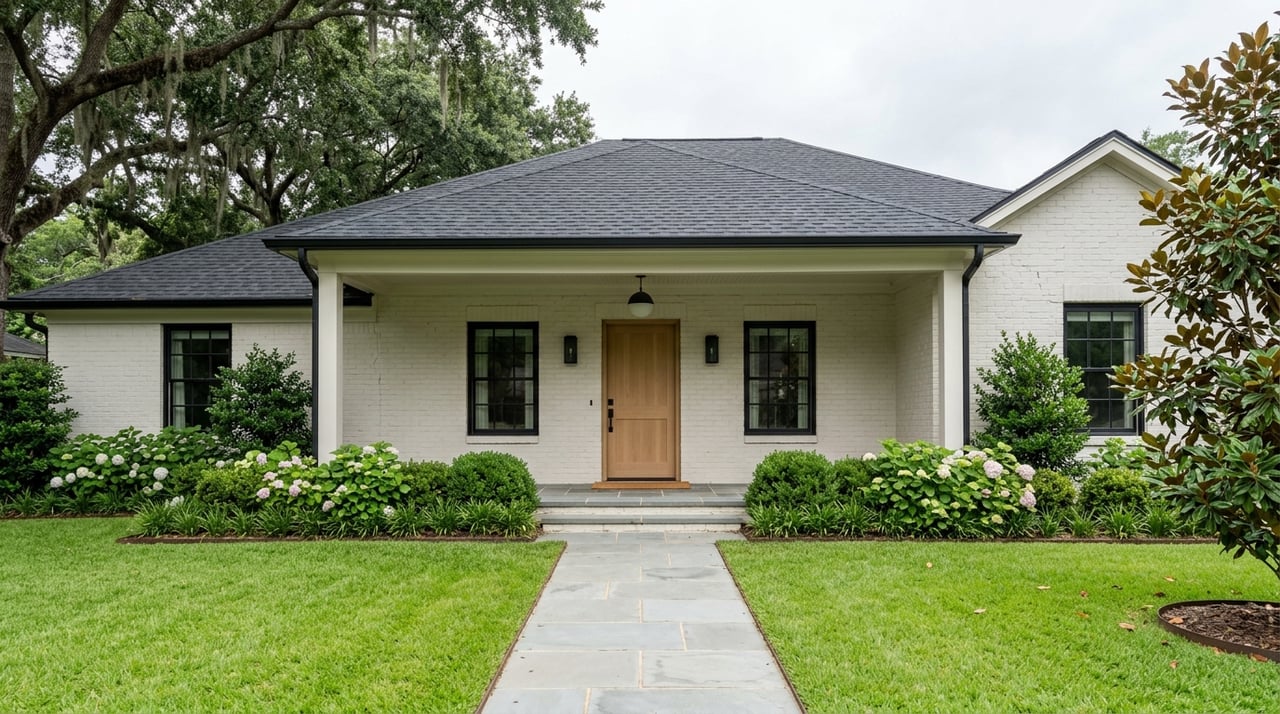
Traditional neighborhoods in Suffolk tend to be more pedestrian-oriented. Planning documents describe homes set closer to the street, often with front porches and small-to-medium lots. These areas may include bungalows, cottages, four-squares, and, in some higher-intensity areas, attached housing.
If you like a more established streetscape and homes with architectural character, this style may feel appealing. It often supports a sense of connection to the street and surrounding blocks. In parts of Suffolk, city initiative plans also focus on protecting and revitalizing older neighborhoods and rural villages.
Suburban Neighborhoods
Suburban neighborhoods usually offer larger lots, more generous front and rear yards, and mostly single-family detached homes. Suffolk’s planning documents describe these areas as largely auto-oriented, with curving streets and cul-de-sacs common in many communities. For buyers who want more private outdoor space, this is often where Suffolk delivers.
This pattern can be especially attractive if you are looking for room to spread out while staying within a developed residential setting. It is one reason Suffolk often comes up in conversations about getting more house or more yard within Hampton Roads.
Rural and Large-Lot Living
Suffolk also preserves a large rural agricultural area in the southern half of the city. These areas are intended to keep agricultural land in production, limit development, and allow only limited single-family residential and agriculture-related uses. That planning choice helps protect the open, country feel many buyers are hoping to find.
The city also identifies rural villages such as Holland, Whaleyville, and Chuckatuck/Oakland as places where some growth and public sewer are being considered. For buyers, that means Suffolk’s rural character is not accidental. It is part of the city’s long-range planning and identity.
Outdoor Living Is Part of Daily Life
If outdoor access matters to you, Suffolk has real depth here. The city reports more than 1,350 acres of parklands and trails, along with more than 5,500 acres of tidal wetlands. Suffolk also uses resource-protection buffers to help preserve water quality and natural character.
That matters because lifestyle is not only about your home. It is also about what you can do nearby on an ordinary afternoon or weekend. In Suffolk, the outdoors is woven into daily life.
Parks That Show Suffolk’s Character
Lone Star Lakes Park covers 1,063 acres and includes 11 lakes, trails, a four-mile horse trail, fishing and crabbing access, a boat ramp, an archery range, and a model airplane field. It is the kind of amenity that makes Suffolk feel expansive and active at the same time.
Sleepy Hole Park offers 73.6 acres with Nansemond River views, a freshwater lake, trails, picnic shelters, fishing access, and kayak or boat access. Bennett’s Creek Park adds 56.8 acres with boat ramps, a fishing and crabbing pier, trails, open fields, tennis, and a skate park.
When you add those examples together, the picture becomes clear. Suffolk supports a lifestyle that can feel more open and nature-connected without requiring you to leave the city behind.
Practical Services Support Everyday Living
Lifestyle matters, but day-to-day function matters too. Suffolk Public Schools reports 21 schools, about 14,600 students, three high schools, and five specialty programs. For many households, that range of public school offerings is an important part of evaluating a move.
Transportation also adds to Suffolk’s regional convenience. Suffolk Transit offers four connections to Hampton Roads Transit routes, which can help riders reach other cities in the region. That is another example of how Suffolk blends a lower-density feel with useful regional connectivity.
For buyers who need reliable home connectivity, the city’s broadband data is another practical plus. High household broadband subscription levels support remote work, online learning, and day-to-day digital needs.
What Suffolk’s Growth Means for Buyers
Suffolk’s recent growth suggests a market with momentum. Population gains, ongoing building activity, and the city’s planning strategy all point to a place that is continuing to evolve. At the same time, that growth is shaped by a framework that separates urban and suburban development areas from rural agricultural land.
That distinction is important when you are planning your move. In some parts of Suffolk, you may find newer subdivisions and growing infrastructure. In others, you may find older neighborhoods, village settings, or larger-lot properties that feel more removed from dense development.
This is why local guidance matters. Suffolk is broad, and two homes in the same city can offer very different lifestyles depending on where they sit within the city’s development pattern.
Costs to Keep in Mind
When comparing locations, it helps to look at the basics alongside lifestyle. Suffolk’s median household income is $90,089, and the median gross rent is $1,484, according to Census QuickFacts. Those numbers help give context to the local cost picture.
Property taxes also matter. Suffolk’s current citywide real estate tax rate is $1.07 per $100 of assessed value, effective through June 30, 2026, with higher district rates in the Downtown Business District and Route 17 Taxing District. If you are narrowing down neighborhoods or property types, tax context should be part of the conversation.
Who Suffolk Fits Best
Suffolk can make sense for a wide range of buyers because it offers more than one version of home life. You may be drawn to a traditional neighborhood near downtown, a newer suburban community with more yard space, or a property in a more rural setting where open land shapes the view.
It can also be a strong option if you want to stay connected to the broader Hampton Roads region. With access to Norfolk, transit connections, practical infrastructure, and a mix of home settings, Suffolk offers flexibility that is hard to find in a more tightly built-out city.
For many buyers, that is the real value. Suffolk lets you look for more space, quieter surroundings, and outdoor access without stepping away from the services and connectivity that support everyday life.
If you are exploring Suffolk and want a clear, local perspective on which areas best match your lifestyle and goals, Better Homes and Gardens Real Estate NAGR Luxury is here to help with concierge-level guidance and a personalized approach.
FAQs
What makes Suffolk feel like country living with city convenience?
- Suffolk combines a wide range of home settings, from traditional neighborhoods to suburban communities and rural areas, while still offering access to downtown amenities, regional job centers, transit connections, and city services.
How far is Suffolk from Norfolk and other major cities?
- According to the city, Suffolk is about 20 miles from Norfolk, 90 miles from Richmond, and 200 miles from Washington, D.C.
What kinds of homes can you find in Suffolk, VA?
- Suffolk includes traditional neighborhoods with smaller lots and front-porch homes, suburban areas with larger yards and detached homes, and rural agricultural areas with more open land and limited development.
Is Suffolk, VA good for remote work?
- Suffolk can be a practical choice for remote work because Census QuickFacts report that 89.0% of households have a broadband subscription, and the city offers a range of residential settings that may suit home-based work.
Does Suffolk offer parks and outdoor recreation?
- Yes. Suffolk reports more than 1,350 acres of parklands and trails, and parks like Lone Star Lakes Park, Sleepy Hole Park, and Bennett’s Creek Park offer trails, water access, fishing, boating, and other outdoor activities.
What is the real estate tax rate in Suffolk, VA?
- Suffolk’s current citywide real estate tax rate is $1.07 per $100 of assessed value, effective through June 30, 2026, with higher rates in the Downtown Business District and Route 17 Taxing District.
Is Suffolk growing?
- Yes. Suffolk’s 2024 population estimate was 103,105, up 9.2% from 2020, and the city recorded 680 building permits in 2024, which suggests continued growth and new housing activity.