Is coastal luxury in Virginia Beach all sunrises over the Atlantic and sunset cruises on the bay? In many ways, yes. But the lifestyle also includes smart planning for seasons, amenities, commute patterns and coastal upkeep. If you want a clear picture of day-to-day life along Virginia Beach’s luxury corridors, this guide gives you the lay of the land, from oceanfront towers to quiet riverfront estates. Let’s dive in.
What coastal luxury looks like
In Virginia Beach, coastal luxury spans several distinct settings, each with a different rhythm and set of tradeoffs.
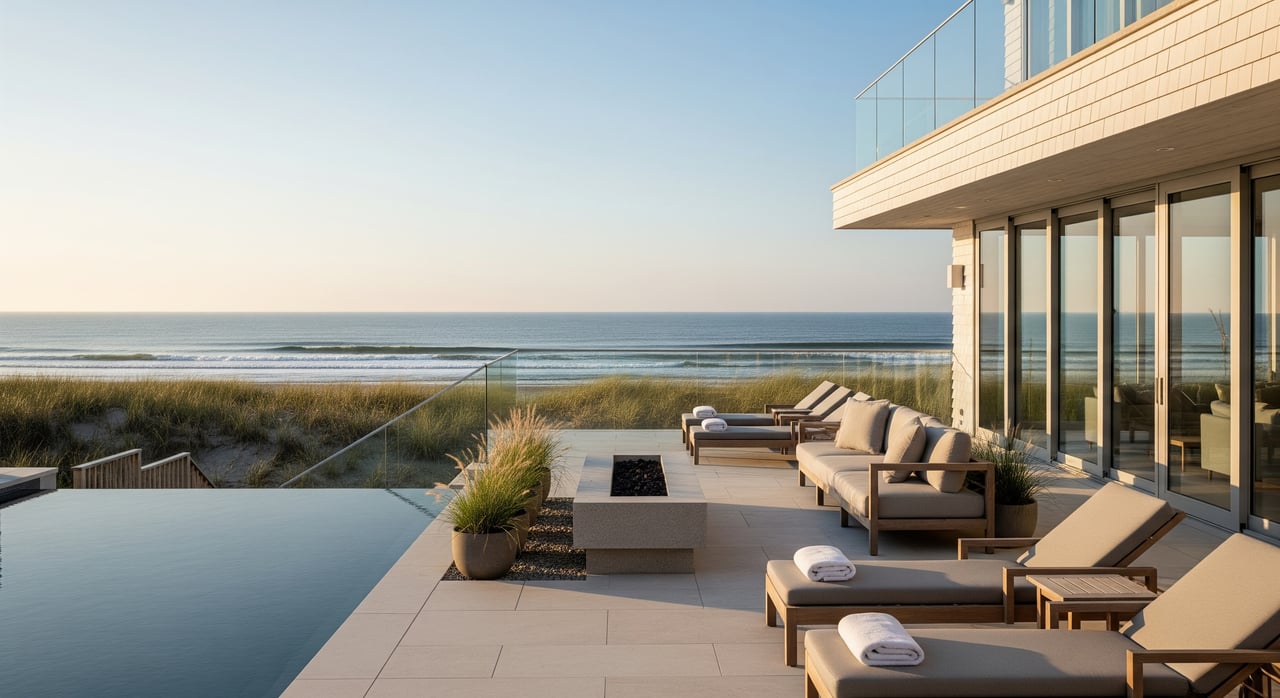
- Oceanfront high-rise condos with full-service amenities and boardwalk access.
- Large single-family estates on barrier beaches in Sandbridge.
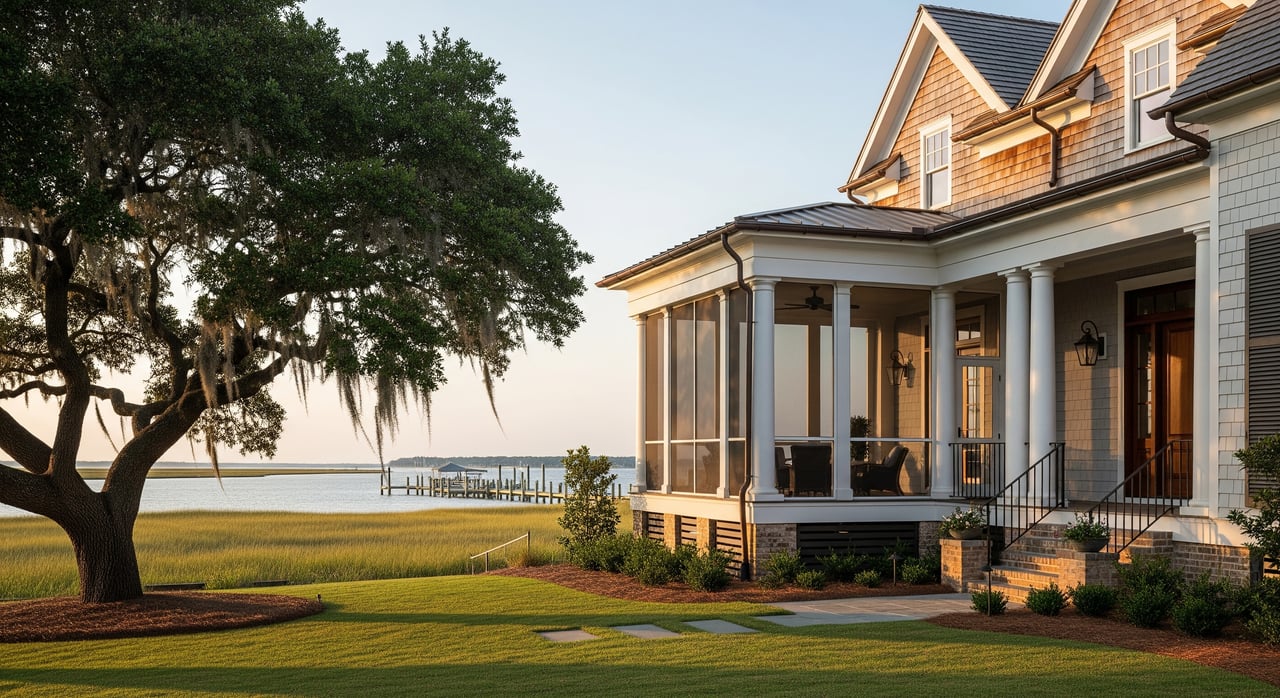
- Riverfront and bayfront homes in Lynnhaven and Great Neck with private docks and deep-water access.
- Urban luxury condos and townhomes in Town Center, steps from dining and arts.
The market draws a mix of retirees, remote professionals, military officers and investors. Year-round neighborhoods sit alongside seasonal hotspots, and the best fit depends on how you want to live day to day.
Oceanfront boardwalk: energy and access
If you want to walk to the beach, restaurants and summer events, the Oceanfront delivers. Daily life here feels active and social. The three-mile boardwalk becomes your morning jog route, and you can step out for coffee, concerts and waterfront dining without getting in the car.
Summer brings crowds and heavier traffic, especially around popular blocks. Parking is tighter in peak months, and building services matter. Many towers offer concierge support, pools, fitness centers and property management options that simplify ownership when you travel.
Budget for higher HOA fees that fund amenities and exterior upkeep near the salt and wind. Expect more frequent maintenance on exterior finishes and systems due to coastal exposure.
Sandbridge: secluded beach living
Sandbridge sits on a southern barrier beach with a quieter, more private feel. You get long, uncrowded stretches of sand, surf fishing, and a committed year-round community balanced with seasonal visitors.
Day to day, life moves at an easier pace. Morning walks on the dunes, paddle sessions, and evenings on the deck are common rhythms. You trade quick drives to Town Center for that privacy and space.
Plan for longer trips to city shopping and services. Peak season can still affect traffic in and out, so timing errands helps.
North End, Croatan and bayfront pockets
North End and Croatan mix classic cottages with modern remodels near Rudee Inlet and the Chesapeake Bay. Everyday life often revolves around the water. Many homes feature private docks, and boaters value quick access to fishing grounds and sheltered waterways.
Lots are scarce and waterfront premiums reflect demand. You’ll see a blend of full-time residents and vacation homes. The vibe is relaxed and neighborhood oriented, with beach paths and bikeable streets connecting you to the shore.
Lynnhaven and Great Neck: riverfront calm
Along the Lynnhaven River and Great Neck corridors, you find deep-water access, private marinas and calm coves ideal for paddle sports and yachting. The pace is quieter than the Oceanfront, and you are close to suburban retail and services.
If your ideal day includes an early cruise followed by lunch at a local spot, this setting works well. Owners here often plan for dock and bulkhead maintenance and keep an eye on riparian regulations for any waterfront improvements.
Town Center: urban convenience
Prefer walkable dining, shopping and arts with a quick trip to the beach? Town Center offers luxury condos and townhomes near the Sandler Center performing arts venue, chef-driven restaurants and retail. You trade ocean views for year-round convenience and less coastal exposure.
Evenings can include a performance, a new gallery opening, or a quick ride to the shoreline for a sunset walk. Event nights bring more traffic, but parking and access are generally straightforward compared to peak beach blocks.
The city’s rhythm through the seasons
Virginia Beach is a true year-round city. It is the largest in Virginia by population, with strong medical, education, military and tourism sectors that support daily life beyond summer.
Peak season runs from late spring through early fall. The Oceanfront stays lively with festivals, surf events and outdoor concerts. The Neptune Festival and other recurring celebrations draw visitors and locals alike.
In the off-season, you get quieter streets, easy restaurant reservations and uncrowded beach paths. Many luxury owners lean into this seasonal tradeoff: high energy in summer, relaxed access in winter.
Outdoors, arts and dining at your doorstep
Beach access is plentiful throughout the Oceanfront, and the city invests in beach nourishment and dune systems to protect shoreline width and coastal neighborhoods. If you prefer nature trails and secluded water, First Landing State Park and Back Bay National Wildlife Refuge offer hiking, kayaking and birding.
Boat owners gravitate to Rudee Inlet and the Lynnhaven area for charters, marina services and quick access to the Intracoastal Waterway and Chesapeake Bay. Whether you prefer a sportfishing run or a casual sunset cruise, the local boating scene makes it easy to get on the water.
Dining options range from casual surf spots to high-end waterfront restaurants. Town Center and the ViBe Creative District add chef-driven kitchens, galleries and rotating cultural events. The Sandler Center anchors a robust calendar of performances, while seasonal festivals and outdoor series keep the arts scene active year-round.
For shopping, Town Center provides a walkable core. Nearby retail hubs support daily needs and specialty finds. Regional healthcare systems operate hospitals and clinics across the area, which is helpful for retirees and families who value convenient care.
Families often consider education choices as part of their move. Virginia Beach City Public Schools is a large district with neighborhood variation. Private schools and nearby colleges provide additional options for different learning preferences and stages.
Costs and maintenance to plan for
Coastal living calls for proactive planning. Salt air, wind and moisture increase wear on exteriors and mechanical systems. For single-family homes, factor in roof and siding care, window and door seals, and HVAC maintenance. Waterfront estates add dock and bulkhead upkeep.
If you prefer a lock-and-leave lifestyle, oceanfront towers can simplify maintenance with robust HOA coverage. These buildings often include high monthly dues that fund amenities, staffing and exterior work. In exchange, you get predictable care and services.
Insurance is another key line item. Coastal and flood coverage can be higher near open water and on barrier beaches. It helps to understand your property’s elevation, flood zone and available coverage options before you make an offer.
Flooding and resilience: what to know
Virginia Beach has a humid subtropical climate with hot summers and mild winters. The coast is exposed to hurricanes, nor’easters and periodic tidal flooding. The city invests in resilience through beach nourishment, dune restoration and broader flood-mitigation planning.
Before you buy, review FEMA flood maps, check local elevation and ask insurers about National Flood Insurance Program and private market options. Long-term sea-level rise projections are part of the regional planning conversation. Many owners invest in resilience measures such as elevated construction, improved drainage and dune or bulkhead maintenance when appropriate.
If you are considering waterfront improvements, be aware of permitting timelines and environmental requirements tied to riparian rights and dock construction. Build these steps into your project plan.
Rules that shape use and income potential
Short-term rentals are regulated by the city and require licensing and compliance with transient occupancy taxes. Rules have evolved in response to neighborhood concerns, so always confirm current ordinances before assuming rental income.
For waterfront properties, zoning and environmental rules govern docks, bulkheads and other shoreline features. Work with qualified professionals to navigate approvals and to ensure your plans align with local standards.
Getting around and commute patterns
Most residents rely on personal vehicles for daily travel. I-264 connects the Oceanfront and Town Center to Norfolk and I-64. Regional bridge-tunnel projects, including the Hampton Roads Bridge-Tunnel improvements, shape traffic flows and reliability, so it pays to follow project updates during heavy construction periods.
Public transit includes city bus routes. Proposals for broader rail service have been discussed in the past but are not operating citywide today. For air travel, Norfolk International Airport is the primary nearby commercial airport.
If you commute into Norfolk, plan for variable drive times. Depending on origin, destination and traffic, trips can range from about 20 to 45 minutes, with peak-hour congestion on key corridors.
How to choose your perfect fit
Use these prompts to align your lifestyle with the right corridor:
- Daily rhythm: Do you want an active boardwalk scene or a quieter cove?
- Water access: Is beach walking enough, or do you need a deep-water dock?
- Maintenance appetite: Do you prefer full-service condo living or managing an estate with docks and yards?
- Seasonality: How do crowds and events affect your routine and parking preferences?
- Commute: How often will you cross into Norfolk or another city, and at what times?
- Rules and income: Will short-term rental regulations or dock permits affect your plans?
When you match your lifestyle to the setting, you get the best of Virginia Beach living: effortless beach days, a thriving arts calendar, and a home that works in every season.
Ready to explore neighborhoods, map commute options and understand property-specific risks and costs before you write an offer? Connect with the local concierge team at Better Homes and Gardens Real Estate NAGR Luxury to plan your move with clarity.
FAQs
Is Virginia Beach mainly a vacation spot or a year-round luxury market?
- Both. You’ll find robust year-round neighborhoods, services and culture, and you’ll also see seasonal energy in places like the Oceanfront during peak months.
How much does coastal exposure affect maintenance and insurance costs?
- Significantly. Expect more exterior upkeep near the ocean and plan for flood or wind coverage where required; budgeting for higher maintenance and insurance is prudent.
Are short-term rentals allowed for luxury homes and condos?
- Short-term rentals are regulated and require licensing and taxes; always verify current city rules and costs before assuming rental income.
What commute should I expect if I work in Norfolk or nearby cities?
- Most people drive, using I-264 and regional bridge-tunnels; depending on traffic, many commutes range from roughly 20 to 45 minutes.
How should I evaluate sea-level rise and flood risk before I buy?
- Review FEMA flood maps and elevation data, study local resilience plans, and consult insurance carriers or coastal professionals for parcel-level assessments.