If you want your Newport News home to make a strong first impression, the week before listing is already too late to start. Luxury buyers often see your home online before they ever step inside, and national staging research shows photos are the most useful feature in online home searches. That means your prep timeline can shape not just how your home looks, but how quickly buyers decide it is worth a showing. A clear plan helps you stay ahead of repairs, paperwork, staging, and local issues like flood risk and permits. Let’s dive in.
Why timeline planning matters in Newport News
In Newport News, listing prep is not only about paint colors and polished counters. It can also involve local property factors that affect timing, especially flood awareness and permit review. City guidance notes that flooding in Newport News can come from tidal flooding, storm surge, heavy rainfall, and riverine flooding.
That matters because many sellers need to confirm property-specific flood information before they finalize repairs or improvements. The city notes that more than 3,600 acres are in FEMA’s Special Flood Hazard Area, with another 900 acres in a moderate-risk flood zone. If your home is in one of these areas, flood mapping can become part of your early listing checklist.
A structured plan also supports stronger marketing. NAR’s 2025 staging research found that 81% of buyers say listing photos are the most useful feature in their online home search. The same research found that 49% of sellers’ agents observed reduced time on market when a home was staged.
Start with local due diligence
Before you invest in cosmetic work, confirm whether your property has any local issues that could affect the schedule. In Newport News, that often means checking flood maps through the city GIS Map Viewer or the Virginia Flood Risk Information System. This step helps you avoid surprises if a planned update affects a floodplain-regulated property.
The city also notes that sea level rise and tidal flooding are active concerns in Hampton Roads. If your property is in the Special Flood Hazard Area and planned improvements reach 50% or more of the structure’s pre-improvement market value, the city may treat that work as a substantial improvement. In that case, current floodplain standards may apply.
Permits should be reviewed early too. Newport News processes building, electrical, mechanical, plumbing, and right-of-way permits, and permits are required for construction in city-owned rights-of-way or easements. If your prep list includes system work, site work, driveway changes, curb work, or anything near the right-of-way, check requirements before scheduling contractors.
Organize disclosures before the rush
Luxury listing prep is smoother when your paperwork is ready before photography and showings begin. Virginia’s disclosure rules may require affirmative written disclosures, and sellers of condominium or property owners’ association homes may need additional statutory forms. Getting these materials together early can prevent delays later.
This is especially important because late delivery can create a buyer termination right under the Virginia Residential Property Disclosure Act. If your home was built before 1978, federal law also requires disclosure of known lead-based paint information and a 10-day opportunity for buyers to test for lead hazards. That makes early document organization a practical step, not just an administrative one.
If you choose a pre-list inspection, use a licensed Virginia home inspector. Virginia regulates home inspection as a licensed profession. A pre-list inspection can help you spot issues while you still have time to address them on your terms.
Your 6 to 8 week prep timeline
6 to 8 weeks before launch
This is your planning and triage phase. Start with a full home walkthrough, identify your priority repairs, and create a decluttering plan that focuses on what buyers will notice first in listing photos. Think about rooms, sightlines, and details that will carry the visual story of the home online.
This is also the right time to gather repair records, schedule a pre-list inspection if you want one, and flag any projects that may require permits or floodplain review. If you are considering meaningful upgrades, this early window gives you time to ask the right questions before work begins. That can protect both your timeline and your budget.
4 to 6 weeks before launch
This is the ideal window for repairs and cosmetic updates. Focus on high-impact work such as paint touch-ups, lighting updates, hardware refreshes, and visible minor repairs. These changes can improve how the home shows without creating the disruption of a major remodel.
If your inspection reveals issues, this is when you can address them before buyers discover them during negotiations. In Newport News, work involving building systems, site improvements, or right-of-way changes should be submitted early enough to avoid permit delays. If your home is older and work could disturb pre-1978 paint, lead-safe awareness is important during this phase.
2 to 3 weeks before launch
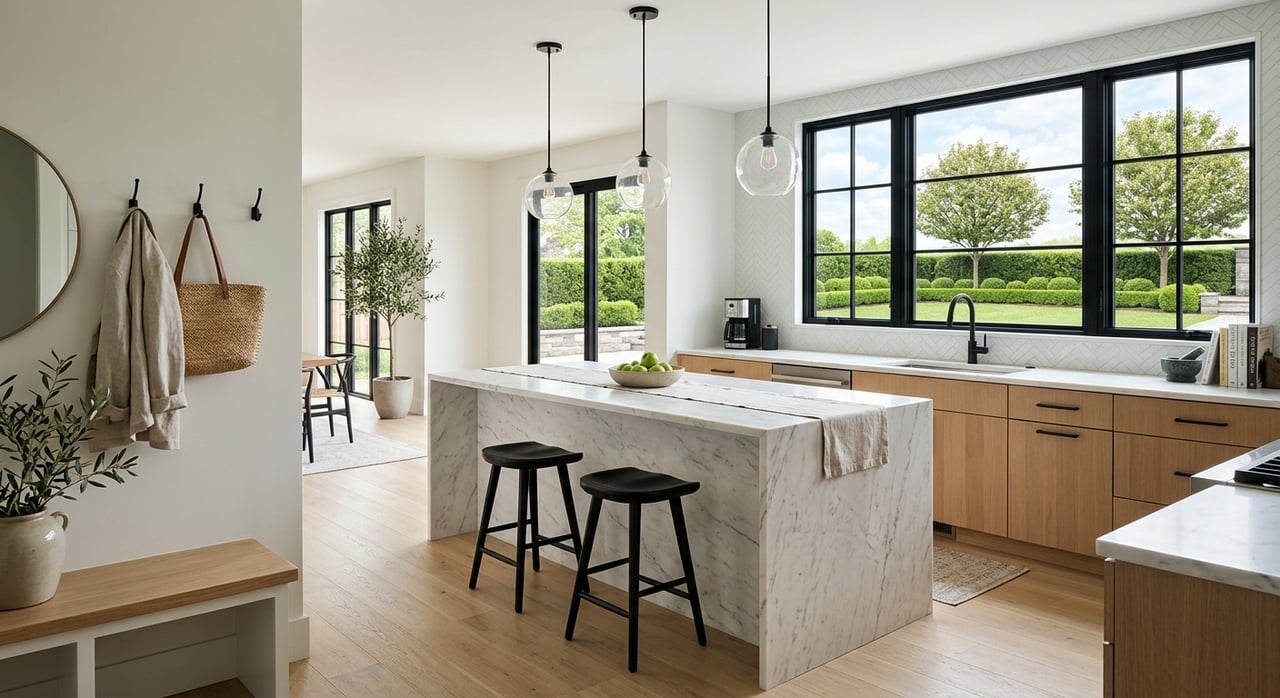
Now it is time for staging and final visual edits. According to NAR’s 2025 research, the most important rooms to stage are the living room, primary bedroom, and kitchen. The most commonly staged rooms also include the dining room.
For a luxury listing, staging is less about adding more and more about editing well. Calm sightlines, balanced furniture scale, and a polished but natural feel tend to photograph best. You want the home to feel refined, spacious, and easy to imagine living in.
NAR also reports that buyers’ agents rated photos at 73% and traditional physical staging at 57% as more or more important to their clients. That makes this stage a meaningful part of your marketing, not just a finishing touch. In many cases, the staged look is what helps the home stand out online.
7 to 10 days before launch
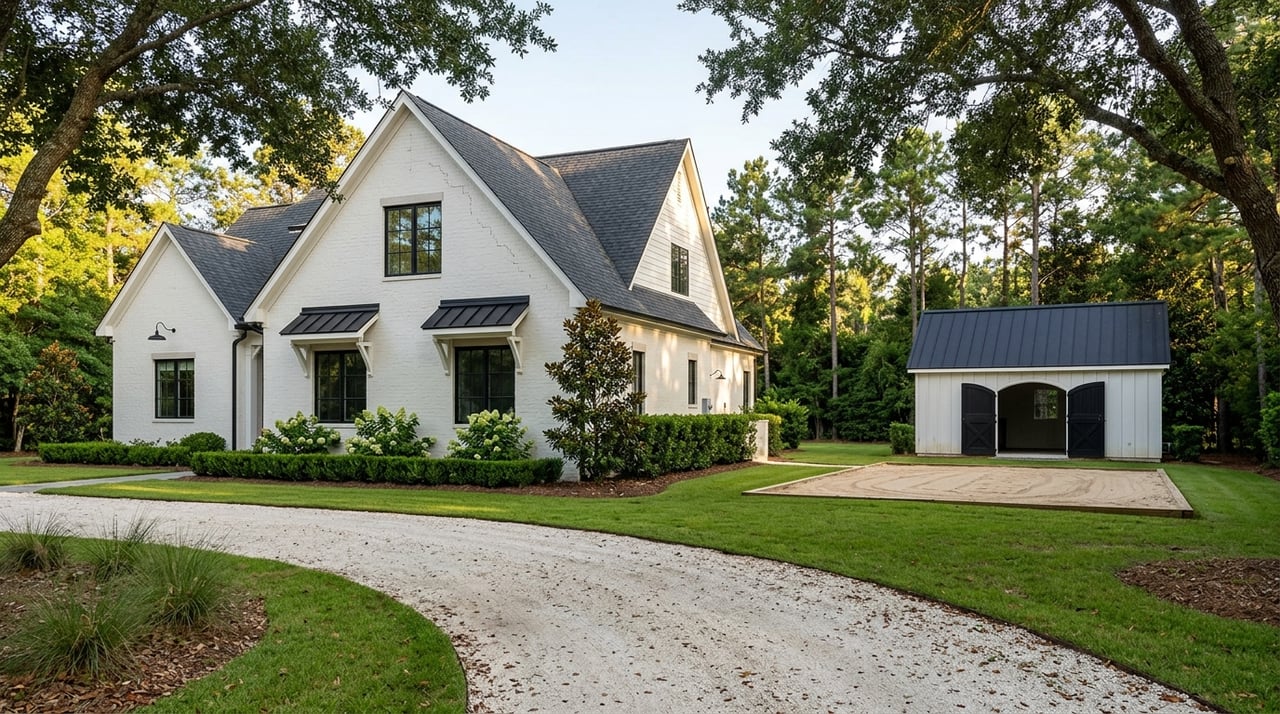
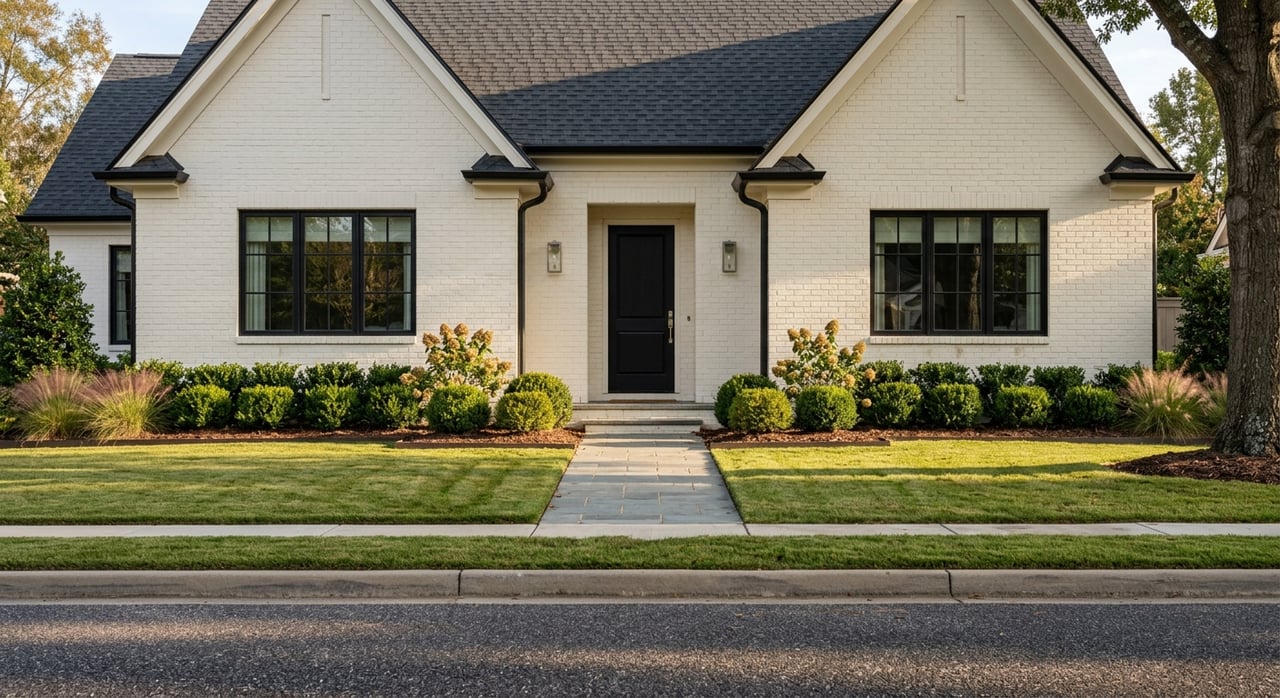
This is media prep time. Your home should be fully photo-ready before the photographer arrives, which usually means removing the last bits of clutter, refreshing the entry, checking bulbs, and making sure rooms look consistent from multiple angles.
This is where small details matter. A luxury listing depends on clean lines, cohesive styling, and a sense of order in every frame. Since photos often determine whether a buyer clicks into a listing, this is not the time to cut corners.
NAR’s staging findings also show that one in three buyers’ agents said clients were more likely to schedule a showing after seeing a staged home online. That means your media prep directly affects showing activity. A polished photo set can create momentum from day one.
Launch week
Launch week is when all the prep becomes visible to the market. Your final marketing package may include still photography, video, virtual tour assets if used, and listing copy that accurately reflects the home’s condition and standout features. Accuracy matters just as much as style.
The goal is to go live only when the home is clean, staged, documented, and fully ready. Rushing this step can weaken the impact of all the work you did in the weeks before. A well-timed launch helps your home enter the market with confidence.
Which projects deserve attention first
If you are trying to prioritize, start with issues buyers are most likely to notice or question. Visible deferred maintenance, worn finishes, poor lighting, and clutter usually deserve attention before decorative upgrades. The best early improvements are often the ones that make the home feel clean, cared for, and easy to understand.
In Newport News, also prioritize anything that could slow the timeline because of permits or floodplain review. A simple cosmetic project may be easy to schedule, while a larger repair tied to systems or site work may need more lead time. That is why working backward from launch day is so helpful.
For higher-end homes, presentation and process should support each other. Beautiful marketing works best when the home is also well-documented and thoughtfully prepared. That combination helps reduce friction and creates a stronger overall impression.
If you are preparing to sell in Newport News and want a polished plan that respects both presentation and process, Better Homes and Gardens Real Estate NAGR Luxury can help you map out the right timeline for your home.
FAQs
What is the best timeline for preparing a luxury home to list in Newport News?
- A practical timeline is about 6 to 8 weeks, with early time for planning, flood and permit checks, repairs, staging, media prep, and final launch steps.
Should Newport News sellers check flood maps before listing a home?
- Yes. City guidance shows flood risk is a real local factor, and checking flood maps early can help you understand whether planned improvements or disclosures may affect your listing timeline.
Is a pre-list inspection worth it for Newport News home sellers?
- It can be helpful if you want to identify issues before buyers do, gather repair estimates early, and make decisions on your own schedule. In Virginia, a pre-list inspection should be performed by a licensed inspector.
Which rooms should sellers stage first for a luxury listing?
- NAR’s 2025 research says the living room, primary bedroom, and kitchen are the most important rooms to stage for buyers.
Can repairs delay a Newport News home listing?
- Yes. Repairs involving building systems, site work, driveway or curb changes, or work near city rights-of-way may require permits, so checking requirements early can help prevent delays.
What disclosures should Newport News sellers prepare before going live?
- Sellers should organize Virginia property disclosure materials early, along with any condominium or property owners’ association forms that apply. If the home was built before 1978, lead-based paint disclosures are also required.