Are you looking for more space without giving up access to Hampton Roads? In Suffolk, that goal can feel a lot more realistic than many buyers expect. If you want room for privacy, a garden, a barn, or even a horse-friendly setup where zoning allows, this market offers several paths to acreage living. Let’s take a closer look.
Why Suffolk stands out
Suffolk has a rare mix of scale and flexibility. The city spans 430 square miles, and its planning framework directs more intensive growth toward designated areas while preserving rural conservation and agricultural landscapes.
For you as a buyer, that matters because acreage in Suffolk is not just about a larger lot. It is also about finding space that may support a wider range of uses, from hobby farming to outbuildings to equestrian-oriented living, depending on zoning and permits.
What acreage living can look like
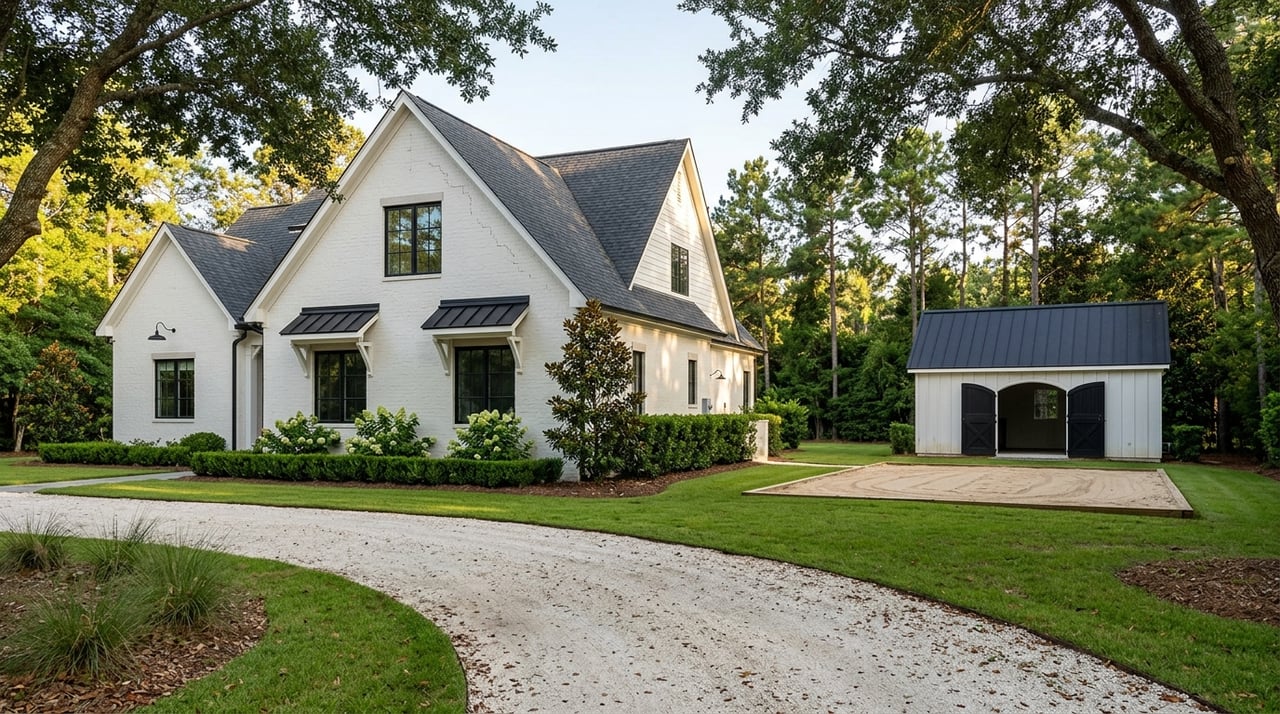
Acreage living in Suffolk comes in more than one form. Some buyers want a polished country property with a finished home, fenced pasture, and barn already in place. Others are looking for wooded privacy, space for future improvements, or land where they can shape the property over time.
Public listings show that this range is real. Recent examples have included compact rural parcels, horse-ready farms, large acreage estates, and raw land for future development.
Smaller acreage, big lifestyle
You do not need a massive estate to enjoy the feel of country living in Suffolk. Public listings have included properties around 1.46 acres with farmhouse character and a barn suited to hobby-farm or horse-oriented use.
That creates an appealing middle ground if you want outdoor space and flexibility without taking on the scale of a full working farm. For some buyers, that means room for a garden, storage, or future improvements that support a more rural lifestyle.
Mid-size properties with usable land
Suffolk also offers properties that land in the practical sweet spot for many buyers. One public example on Godwin Boulevard combined 6.5 acres with a historic farmhouse, guest cottage, barn or shed, fenced pastures, run-in sheds, and horse-friendly paddocks.
This type of property often appeals if you want space that feels substantial but still manageable. You may have room for animals where permitted, outbuildings, equipment storage, or simply more separation and privacy.
Larger horse-ready estates
At the upper end, Suffolk has also featured true equestrian compounds. A Whaleyville Boulevard property was marketed on 48.67 acres with two residences, three barns with 33 stalls, an indoor riding arena, an outdoor arena, fenced pastures, paddocks, and trails.
Another Pineview Road property, sold in 2025, included 23.2 acres, a 10-stall barn, tack room, wash stall, run-in shelters, pastures, wooded acreage, and riding paths. These examples show that Suffolk can support buyers searching for a more developed horse-property setup.
Why equestrian-inspired buyers notice Suffolk
Suffolk’s public guidance gives buyers a useful starting point if horses are part of the vision. The city’s horse FAQ says the minimum acreage for keeping one horse is two acres, including a homesite.
That does not mean every two-acre property will fit your plans, but it does show that horse ownership is part of the local land-use conversation. It also helps explain why public listings in Suffolk often feature barns, fenced pastures, paddocks, and riding areas.
Zoning can support rural uses
The appeal of Suffolk is not only open space. The city’s zoning and code materials recognize agricultural uses and structures incidental to those uses in A, RR, and RE districts.
The city also says chickens are allowed on properties zoned A, RR, and RE. If you are thinking about a few animals, a garden, or support structures for a hobby-farm lifestyle, zoning is one of the first things to review.
What to verify before you buy
A beautiful property can create a strong first impression, but acreage purchases need careful due diligence. In Suffolk, the biggest questions often involve zoning, buildability, permits, wells, septic systems, and environmental constraints.
The good news is that asking those questions early can help you avoid expensive surprises later. It can also help you decide whether a property fits your goals now and in the future.
Confirm zoning and allowed uses
Start with the property’s zoning district. If you are hoping for horses, chickens, a barn, a shed, or another accessory structure, you need to know what the district allows and what approvals may be required.
Suffolk states that no person may construct a structure or change land use until zoning and building permits are obtained. That means even if a property feels rural, you should not assume your future plans are automatically allowed.
Do not assume vacant land is buildable
Open land can be appealing, especially if you are imagining a custom home, barn, or long-term country retreat. But Suffolk’s zoning FAQ states that zoning can explain setbacks and related standards, yet it does not verify whether a lot is buildable.
That distinction is important. A parcel may look perfect on paper but still have limitations tied to site conditions, approvals, or utility and septic considerations.
Review permit requirements for improvements
If you plan to add fencing, a shed, a gazebo, or other improvements, check the permit rules early. Suffolk says fences require a permit and a survey, and sheds or gazebos require a permit too.
The city also notes that detached accessory buildings may not be placed in the front yard and must meet setback rules. Sheds over 256 square feet require both zoning and building permits.
Understand well and septic responsibilities
Many acreage properties rely on private systems rather than city utilities. Virginia’s Department of Health says private well maintenance is the owner’s responsibility, and newly constructed wells must be bacteriologically tested.
The agency also says onsite sewage systems require ongoing maintenance. In Chesapeake Bay Preservation Areas, Suffolk states that septic tanks must be pumped or inspected every five years.
Watch for wetlands and buffer limits
Environmental conditions can shape what you can do with a property. Suffolk says it has more than 5,500 acres of tidal wetlands, and its Chesapeake Bay Preservation Area guidance says new development must be outside the 100-foot Resource Protection Area buffer unless a narrow exception applies.
The city also says an encroachment application is required for additions or accessory structures within the buffer. On larger parcels, these constraints may affect only part of the land, but they still need to be understood before you make plans.
Who Suffolk acreage may fit best
Suffolk acreage can appeal to several kinds of buyers. You may be upsizing from a more suburban setting and want privacy, storage, and room to grow. You may be relocating and want a property that offers a peaceful setting with practical access to the broader Hampton Roads region.
You may also be looking for a lifestyle property that balances country character with future flexibility. In Suffolk, that might mean anything from a wooded 2.5-acre homesite to a horse-ready farm with barns and fenced pasture.
A smart way to approach the search
The best Suffolk acreage search usually starts with your lifestyle goals, not just acreage numbers. Think about whether you want horse facilities already in place, room for future outbuildings, a manageable hobby-farm setup, or simply privacy and open space.
From there, compare those goals against zoning, permit requirements, and site conditions. That process helps you focus on properties that truly match your vision instead of chasing land that may not work the way you hope.
If you are considering acreage or equestrian-inspired living in Suffolk, a guided search can save time and reduce uncertainty. The team at Better Homes and Gardens Real Estate NAGR Luxury brings local market knowledge, concierge-level service, and a polished approach to lifestyle property searches across Hampton Roads.
FAQs
What makes Suffolk a good place for acreage living?
- Suffolk combines a large land area with planning policies that preserve rural and agricultural landscapes, which helps support properties with more land and flexible rural uses.
Can you keep horses on property in Suffolk?
- Suffolk’s horse FAQ says the minimum acreage for keeping one horse is two acres, including the homesite, but you should still verify zoning and site-specific requirements.
Are chickens allowed on Suffolk properties?
- Suffolk says chickens are allowed on properties zoned A, RR, and RE.
Do barns and sheds need permits in Suffolk?
- Yes. Suffolk says sheds and gazebos require permits, and sheds over 256 square feet need both zoning and building permits. Fences also require a permit and a survey.
Can you build on any vacant acreage parcel in Suffolk?
- No. Suffolk states that zoning can explain setbacks and related standards, but it does not confirm that a lot is buildable.
What should buyers check about wells and septic systems in Suffolk?
- Buyers should confirm system condition, maintenance needs, and any Health Department approvals. Virginia’s Department of Health says private well maintenance is the owner’s responsibility and septic systems require ongoing maintenance.