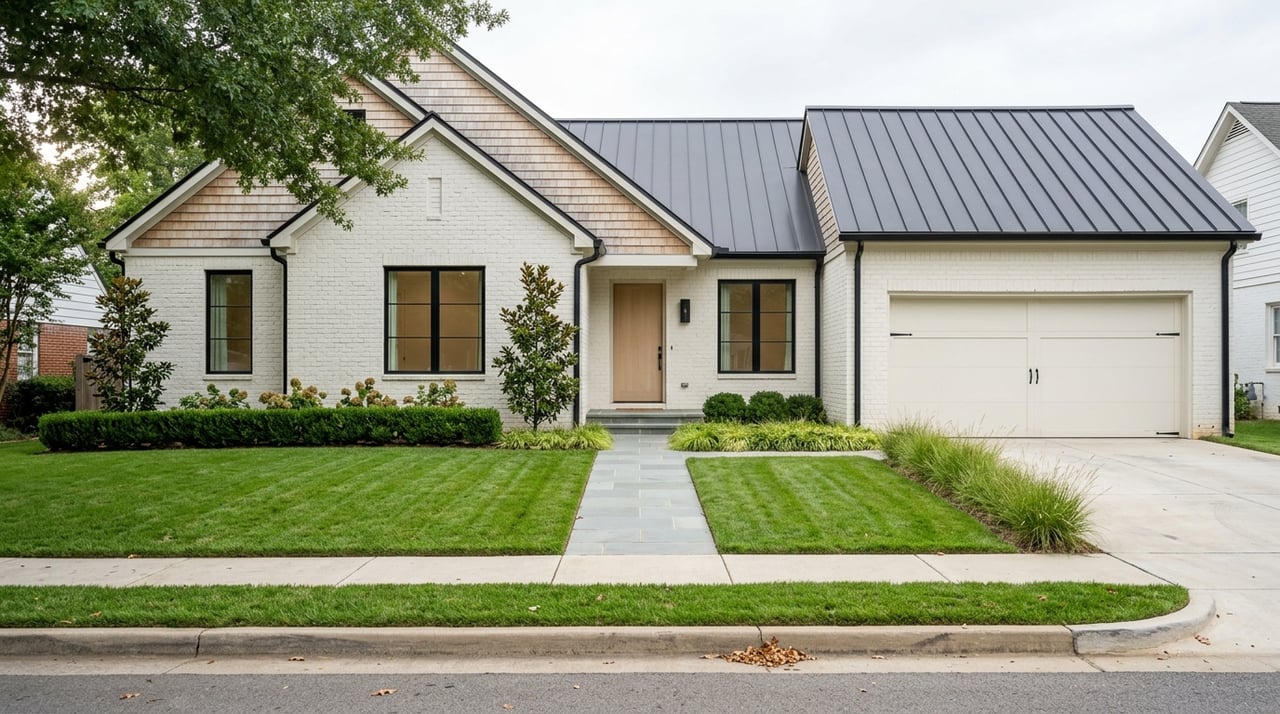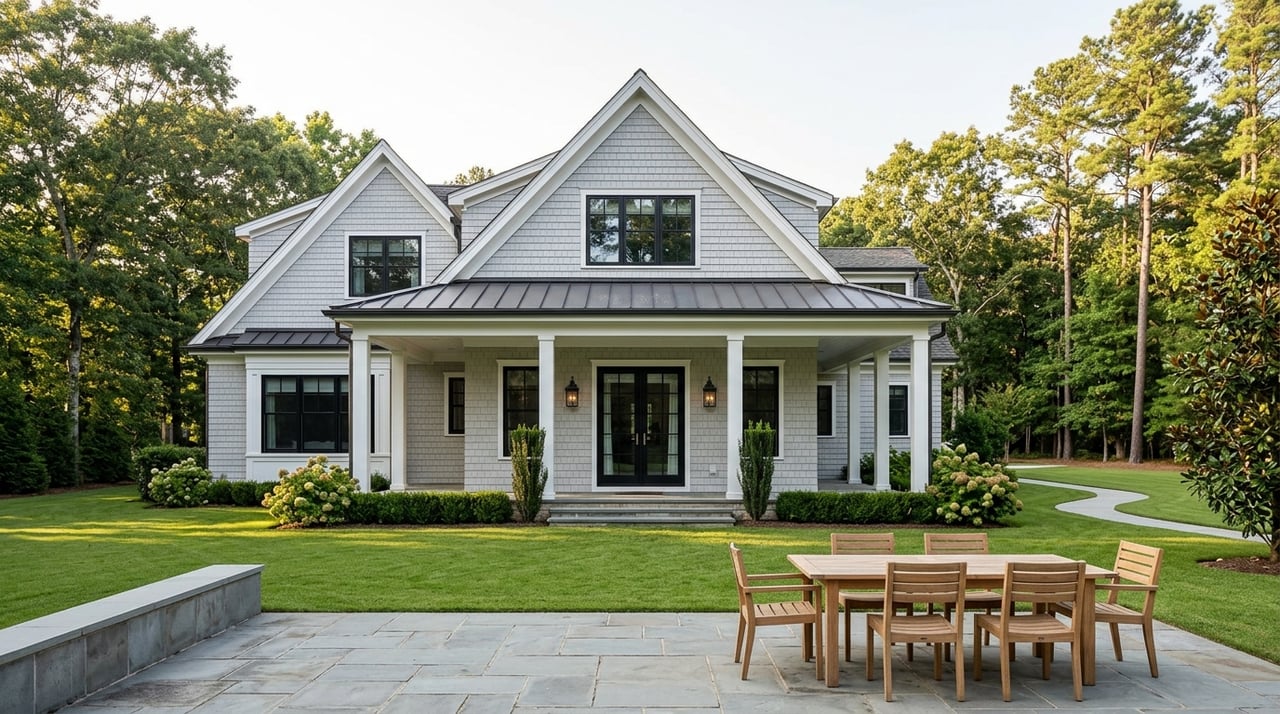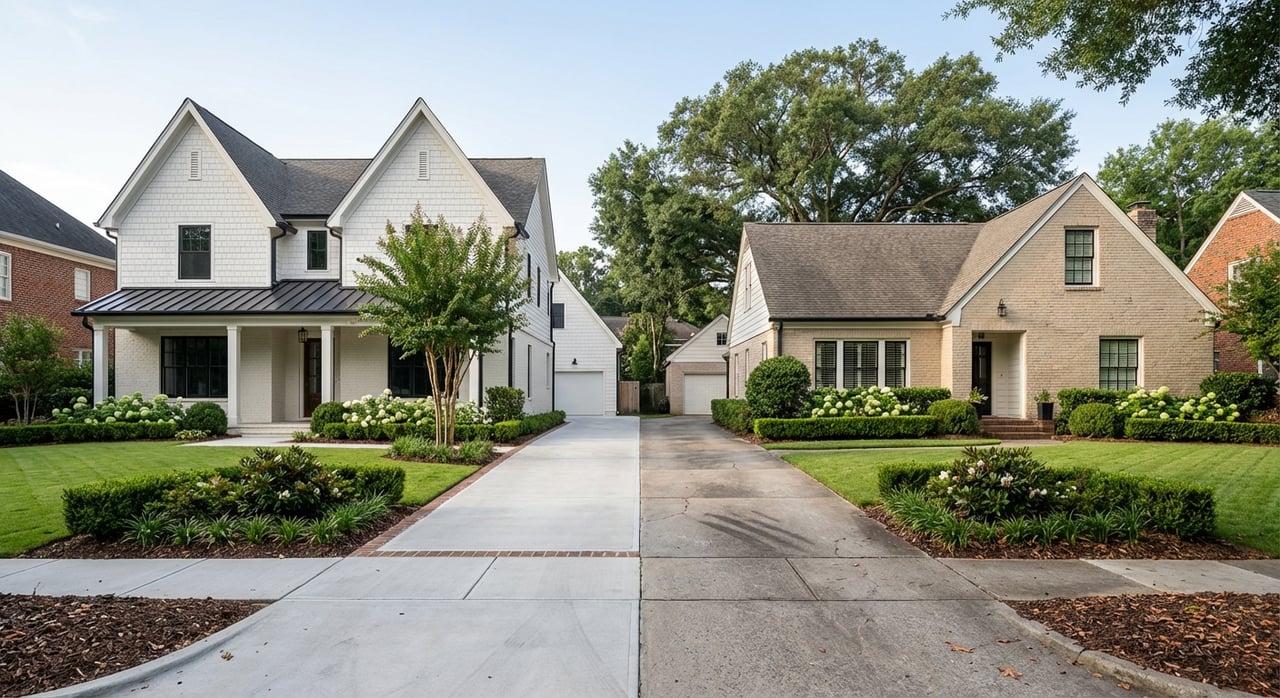
Should you buy a brand‑new home or a well‑kept resale in Chesapeake? With the city’s median sale price hovering around $415,000 in early 2026, you have strong options at different price points and timelines. Neighborhoods vary, too, so Greenbrier, Great Bridge, and Western Branch can feel very different on price and pace. In this guide, you’ll learn how new construction and resale compare on cost, timing, maintenance, and risk, plus the Chesapeake‑specific checks that matter. Let’s dive in.
Price and total cost
When you compare new construction with resale, look beyond the sticker price. You want a clear view of your first‑year and 5‑year costs.
- New construction pricing usually includes a base price plus a lot premium and finish upgrades. Some communities also charge utility or impact fees. Builders may offer credits or closing‑cost help that change often.
- Resale homes can offer more square footage for the price, but you should budget for updates and unknown deferred maintenance. A common rule of thumb is to set aside about 1 percent of the home’s value each year for maintenance. Newer homes often sit at the low end at first, but planning 1 percent helps you avoid surprises. You can read a quick overview of this budgeting approach in this guidance on a home maintenance budget baseline.
Local new‑build listings show a wide range, from the mid‑$300Ks into the mid‑$600Ks depending on lot and product type. Incentives can shift your math, so always ask what is current in your target community.
Quick worksheet to compare total cost
Use this simple, illustrative example to map your budget. Adjust the numbers to your exact scenario.
New build example
- Contract price: $450,000
- Lot premium and options: $25,000
- HOA dues: estimate from community documents
- First‑year maintenance reserve: about 1 percent baseline ($4,500)
- Potential flood insurance: get a quote if maps or lender require it
- Estimated first‑year total: contract + options + HOA + reserves + insurance
Resale example
- Purchase price: $415,000
- Immediate updates or appliances: create a project list with quotes
- First‑year maintenance reserve: about 1 percent baseline ($4,150)
- Potential flood insurance: confirm with your insurer and lender
- Estimated first‑year total: purchase + updates + HOA (if any) + reserves + insurance
Tip: Run the same comparison over 5 years. Include likely upgrades for the resale and potential landscaping or window treatments for the new build. Keep the line items identical so you can make an apples‑to‑apples call.
Timeline and move‑in certainty
- New construction typically takes 6 to 12 months from contract to completion for production or spec homes. National summaries put average build time around 7 to 8 months, but local weather, permitting, and materials can change that.
- Quick move‑in or inventory homes can shorten the timeline, though you’ll have fewer finish choices.
- Resale closings commonly take 30 to 45 days after contract, depending on loan type, appraisal, and title. That gives you a clearer near‑term move date.
If you have a fixed reporting date, lease end, or school calendar target, start with timeline. Speed and certainty often outweigh other factors.
Customization and finishes
- New construction lets you choose floor plans, structural options, and design packages. Selections have firm deadlines and each step can add cost. Production builders often use design studios or curated packages to streamline choices.
- Resale customization happens after closing. Renovations can be negotiated into price or closing credits, but they still take time and coordination.
If you want a specific kitchen layout, extra garage bay, or a first‑floor suite, new construction gives you more control up front. If you care more about lot location, mature trees, or an established street, resale may fit better.
Maintenance, defects, and warranties
New homes typically come with a warranty often described as 1‑2‑10. That means one year for workmanship and materials, two years for major systems, and up to ten years for structural coverage. Always read the actual policy to confirm who backs it and what is included. You can learn the common terms in this 1‑2‑10 builder warranty overview.
Even brand‑new homes benefit from independent inspections. Many buyers schedule pre‑drywall and final inspections, plus an 11‑month warranty walk‑through to catch items before coverage expires. Here is a helpful summary of new‑construction inspection checkpoints. For budgeting, plan roughly $300 to $500 for a full home inspection and add costs for phase or specialty inspections.
Resale buyers should expect higher near‑term maintenance and should prioritize a detailed inspection and a repair or credit plan before closing.
Appraisals and financing risks
Brand‑new homes in a fresh phase or new subdivision can face appraisal gaps because there are fewer nearby closed sales to support the contract price. If an appraisal comes in short, you may need to bring cash or renegotiate. Talk with your lender early about how they handle new‑build appraisals and plan for a contingency.
Resale appraisals usually have more comparable sales, but unique or highly upgraded homes can still face valuation questions.
Chesapeake permits, COs, and move‑in readiness
In Chesapeake, your builder must secure permits, pass staged inspections, and obtain a Certificate of Occupancy before you can move in. Plan review timelines and inspection scheduling rules vary by project size and phase. If the property lies in a flood hazard area, a FEMA Flood Elevation Certificate is required. Review the city’s permit and inspection FAQs to understand how this affects your closing date and utility turn‑ons. See the City of Chesapeake guidance on permits, inspections, and COs.
Practical step: Ask your builder for the permit number and expected inspection schedule. Your agent can help you monitor status so delays do not surprise you.
Flood, sea‑level rise, and insurance
Hampton Roads is known for tidal flooding and higher relative sea‑level rise. Regional guidance recommends planning for about 1.5 feet of relative sea‑level rise by mid‑century, with larger scenarios later in the century. That makes elevation, drainage, and site grading real factors in your long‑term comfort and cost. Review the regional planning policy from the Hampton Roads Planning District Commission.
Before you buy, check FEMA flood maps and ask whether an elevation certificate is needed. Many buyers find it helpful to explore this simple overview on who needs flood insurance. Your lender will confirm if a policy is required, and your insurer can quote options for the property’s exact location and elevation.
HOAs, CDDs, and community fees
Many new communities include HOA dues and, in some master plans, amenity or special district assessments. Builders sometimes offer promotions that buy down these costs or cover a portion of closing fees. Always request the HOA covenants, current dues, and any reserve study or planned assessment before you sign.
To understand how promotions are framed, you can review a representative example of seasonal incentives and HOA/CDD notes. Treat this as a template for questions, not a Chesapeake‑specific rate sheet.
Property taxes and local fees
Chesapeake property tax rates are set by the city each budget cycle. Before you finalize your budget, confirm the current adopted rate and ask whether any special district assessments apply to your target neighborhood. The city’s Commissioner of the Revenue and Treasurer’s Office pages are the official sources. Start with the city’s tax and fee FAQs.
Quick decision framework
Use these prompts to match your path to your priorities.
Prioritization questions
- Is timeline critical? If yes, look for move‑in ready new homes or focus on resale inventory to close in 30 to 45 days.
- Is customization essential? If yes, favor to‑be‑built or semi‑custom new construction and plan for design deadlines and extra time.
- Is minimizing near‑term maintenance important? If yes, a new home plus warranty coverage may be the right fit. See common coverage terms in the 1‑2‑10 warranty overview.
- Is budget tight? If yes, resale often has more immediate negotiating room, but compare total 5‑year costs using the 1 percent maintenance baseline from the home maintenance budgeting guide.
Minimum due‑diligence checklist
- Get the builder contract, design selection schedule, and the full warranty document with administrator details.
- Confirm permit status and the path to Certificate of Occupancy with your builder. Ask for permit numbers. Track progress using the city’s permits and inspections FAQ.
- Schedule independent inspections at key phases. Plan for pre‑drywall and a final inspection, plus an 11‑month warranty walk‑through. Budget $300 to $500 for a full inspection, plus added costs for phase checks. Here is a helpful inspection checklist overview.
- Talk with your lender about new‑build appraisal approaches and whether recent closed sales support the target price. Build an appraisal contingency or cash plan for gaps.
- Review flood maps and ask about elevation certificates and any local drainage improvements. Consult the region’s sea‑level planning guide at HRPDC and explore insurance basics at Get Flood Fluent.
- Request HOA covenants, current dues, reserve status, and any pending assessment history. If a community uses a special district assessment, ask how it affects your monthly payment.
Negotiation levers to try
- New construction: closing‑cost help, rate buydowns, appliance or upgrade credits, landscaping packages, or temporary rate locks on inventory homes.
- Resale: price adjustments, seller‑paid repairs, or credits based on inspection findings.
Be polite, specific, and timely. Incentives and credits are easiest to secure when you understand the seller’s or builder’s timing and priorities.
Which path fits you?
If speed and short‑term certainty are your top priorities, resale often wins. You get a defined move‑in date, a thorough inspection, and room to negotiate repairs or credits. Use the worksheet to include likely upgrade costs and a 1 percent annual maintenance reserve so your comparison is fair.
If control over layout and finishes matters most, and you want the mechanical life of a new roof, systems, and appliances, new construction is compelling. Just make sure you lock down the selection deadlines, schedule third‑party inspections, read the warranty fine print, and ask your lender about appraisal strategies. In Chesapeake, also factor in permits, the Certificate of Occupancy, and any flood‑related requirements so your closing timeline stays realistic.
Ready to compare homes and communities that fit your budget and goals? Our team blends white‑glove guidance with deep Chesapeake expertise to help you make a confident choice. Schedule your consultation with Better Homes and Gardens Real Estate NAGR Luxury to map your path and start touring.
FAQs
What is the current median home price in Chesapeake, VA?
- Recent market summaries place Chesapeake’s median sale price around $415,000; neighborhood price bands vary by area and home type.
How long does it take to build a new home in Chesapeake?
- Many production builds take 6 to 12 months, with average build times near 7 to 8 months depending on weather, permits, and materials.
What inspections should I order for a new construction home in Chesapeake?
- Schedule pre‑drywall and final inspections plus an 11‑month warranty walk‑through; plan $300 to $500 for a full inspection and more for phase checks, per AHIT guidance.
How do builder warranties work on new homes?
- Many use a 1‑2‑10 structure (1 year workmanship, 2 years systems, 10 years structural); confirm the exact policy and administrator, as outlined in this warranty overview.
Do I need flood insurance when buying in Chesapeake?
- Check FEMA maps and your lender’s requirements; regional planning notes higher relative sea‑level rise, and this flood insurance explainer helps you assess your need.
What local permits and approvals affect my move‑in date for a new build?
- Your builder must pass staged inspections and secure a Certificate of Occupancy; see the city’s permit and inspection FAQs for timelines and required steps.
What community fees should I expect in newer Chesapeake subdivisions?
- Expect HOA dues and, in some master plans, special district or amenity assessments; always request covenants, current dues, and any planned assessments in writing, and review incentive details similar to this example summary.