Relocating for work can feel simple on paper and complicated in real life. If you are moving to Norfolk, your housing search will likely depend less on one citywide trend and more on where you need to go each day, what type of home you want, and how much timeline flexibility you have. This guide will help you sort through Norfolk housing options, commute patterns, and closing steps so you can make a smarter move with fewer surprises. Let’s dive in.
Why Norfolk relocation takes planning
Norfolk is not a one-size-fits-all market. The city has 103,524 housing units, a 46.3% owner-occupied rate, and more than 100 neighborhoods grouped into seven neighborhood service areas.
That matters because your best fit may come down to a small set of variables. In Norfolk, relocation decisions are often shaped by your work location, your preferred commute corridor, flood exposure, and whether you want an urban condo, a historic home, a bayfront property, or something in between.
The citywide mean commute time is 23.0 minutes, but that average does not tell the whole story. A short drive on one route can feel very different from a longer but more predictable trip near the base, port, or waterfront.
Start with three relocation filters
Before you tour homes, it helps to narrow your search with three practical filters.
Job location and commute route
Your office or duty station should shape your map first. If you need regular access to downtown, EVMC, Naval Station Norfolk, the airport, or port facilities, the most useful search strategy is often to focus on the corridor you will use most.
Norfolk’s transportation network includes bus, ferry, Base Express service, and The Tide light rail line. The Tide runs 7.4 miles from EVMC through downtown to Newtown Road, which can be useful if you want to reduce dependence on driving during a move.
Flood exposure
Flood review is not a minor detail in Norfolk. The city has more than 200 miles of riverfront and bayfront property, uses FEMA flood maps to define zones, and recommends flood insurance even where it is not required.
If a property is in a higher-risk AE, AH, AO, or VE flood zone, lenders generally require flood insurance. Checking the city’s flood portal early can help you avoid falling in love with a home that changes your monthly costs or your comfort level.
Housing type
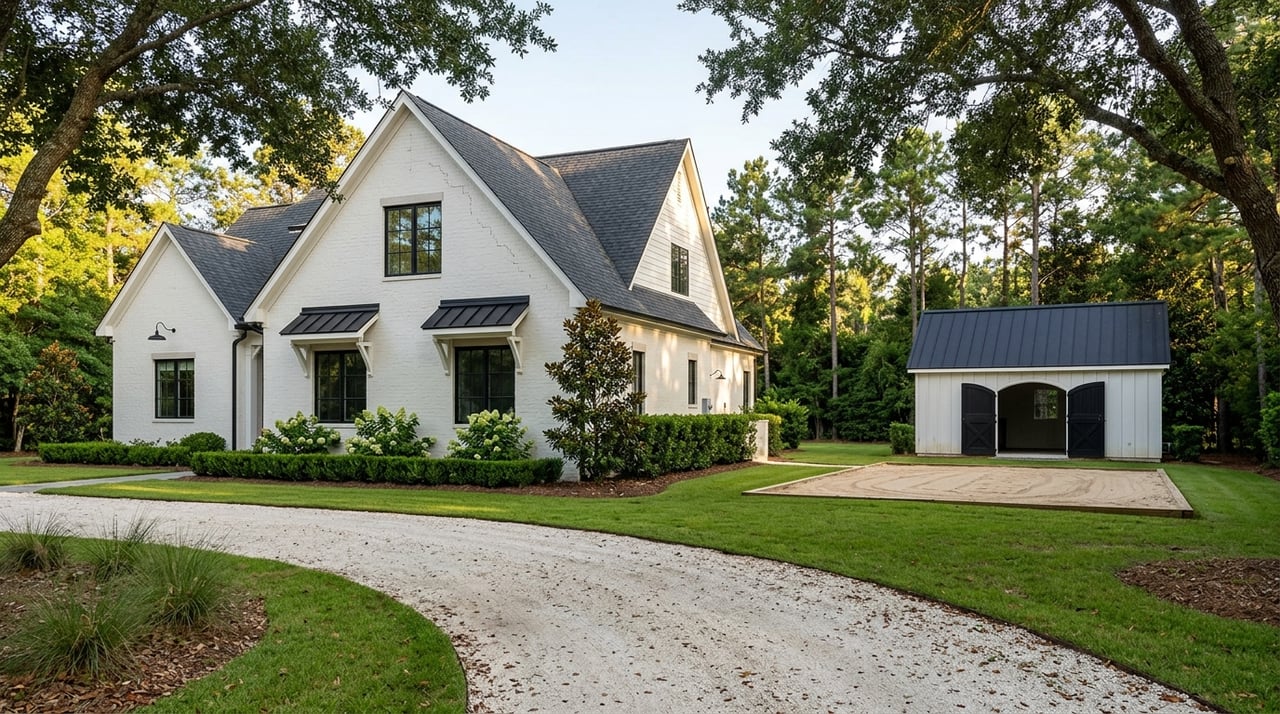
Norfolk offers a broad mix of housing styles. Depending on the area, you may find condos and apartments near downtown, historic detached homes in close-in neighborhoods, newer townhomes and multifamily options in redevelopment areas, or larger single-family homes near the bayfront.
Your timeline can also affect this choice. A transferee who wants low-maintenance living right away may look differently at available options than someone willing to take more time for a specific neighborhood or home style.
A realistic Norfolk relocation timeline
A smooth move usually works best when you treat the process as a series of stages instead of one big event.
Weeks 1 to 2: financing and target areas
Start by clarifying your budget, commute needs, and preferred housing type. If you plan to buy, compare loan offers early so you know your financing range before you get serious about homes.
At this stage, it also helps to build a short list of Norfolk areas based on your daily route, not just price or appearance. This can save time and prevent you from searching too broadly across very different parts of the city.
Weeks 2 to 4: touring and property review
Once your search area is tighter, you can start comparing homes by neighborhood pattern. Look closely at travel routes, flood considerations, housing age, and whether the property sits in a local historic district.
If a home is in a local historic district, exterior changes require review and approval by the Architectural Review Board. That is not necessarily a drawback, but it is something you will want to understand before you buy.
Under contract: the timeline gets firmer
Once you are under contract, the process becomes much more structured. The closing phase is typically the final step in buying and financing the home, and buyers must receive the Closing Disclosure at least three business days before closing.
Typical closing costs are often 2% to 5% of the purchase price. During this stretch, your time is usually spent reviewing documents, coordinating settlement details, and solving any remaining issues rather than restarting negotiations.
After closing: recordation can lag
Even after funds and keys change hands, some paperwork may still be catching up. In Norfolk, recorded deed documents are typically returned about two weeks after recordation.
That delay can matter if you need a clean reimbursement timeline for your employer or if you are coordinating utilities, movers, or occupancy dates around formal document return.
Norfolk housing options by area
Because Norfolk is made up of micro-markets, it helps to think in terms of area types rather than one citywide housing profile.
Downtown and waterfront core
Downtown Norfolk is the city’s oldest and longest-occupied commercial quarter. It is also one of the most practical choices if you want an urban setting, easier access to The Tide, and a lower-car lifestyle.
This area includes condos, apartment communities, office-centered mixed-use development, and evolving residential opportunities tied to downtown reinvestment. If you want proximity to downtown amenities and transit access to EVMC, NSU, or TCC connections, this part of the city may rise to the top.
Historic close-in neighborhoods
Areas such as Ghent, West Freemason, East Freemason, and Colonial Place/Riverview offer a different feel. These neighborhoods include a mix of historic architecture, modest three- and four-bedroom homes, period-revival houses, and bungalows.
Norfolk’s Missing Middle initiative also highlights housing types such as duplexes, four-plexes, and cottage courts interspersed with single-family homes. For a relocatee, these neighborhoods can offer character and central access, but each block and housing type may vary more than in a newer planned area.
Newer redevelopment areas
Some parts of Norfolk offer newer housing patterns tied to redevelopment. For example, the city says Kindred at Tidewater Gardens will include 714 homes across carriage homes, town homes, mansion apartments, and multifamily buildings.
These areas can appeal to buyers who want newer construction patterns or a different mix of housing formats than Norfolk’s older historic neighborhoods. They may also provide useful alternatives if you want central access without focusing only on legacy housing stock.
Ocean View and Willoughby
If bayfront living is part of your vision, Ocean View and Willoughby are Norfolk’s coastal neighborhoods. The city notes that the area includes 7.3 miles of shoreline, and some planning guidance identifies portions of Ocean View for large single-family houses.
The tradeoff is access. Bridge-tunnel backups can make travel more difficult, so a waterfront address may be appealing from a lifestyle standpoint while also requiring more thought about daily commute reliability.
Military Highway corridor areas
Along Military Highway, the housing mix includes both single-family and multifamily development, especially on the west side of the corridor. For some transferees, this kind of area can offer a practical middle ground between older urban neighborhoods and farther-out suburban choices.
If you need access to naval or port-related employment areas, corridor-adjacent housing may deserve a close look. Commute efficiency often matters just as much as home style during a corporate relocation.
Commute strategy matters more than mileage
A Norfolk move can look efficient on a map and still feel frustrating in practice. That is why commute strategy should come before neighborhood aesthetics.
Transit can expand your options
The Tide, local bus service, ferry routes, and Base Express can widen your choices if you want to limit car use or maintain a backup plan during a transition. Buyers working near downtown or along the light rail corridor may find that transit access changes what neighborhoods feel practical.
This can be especially helpful if your move includes one vehicle, staggered start dates, or a temporary housing phase before a permanent purchase.
Base and port access can shift over time
Norfolk’s major employment anchors can create very different traffic patterns depending on where you live. The city notes that Naval Station Norfolk is the largest naval base in the world, and Norfolk International Terminal is the largest intermodal center in the United States.
Construction also affects reliability. Current VDOT work tied to the I-564 Intermodal Connector and Hampton Boulevard is intended to improve access to Naval Station Norfolk’s pass office and gates 5 and 6, with a construction target as early as spring 2027. If your work depends on those routes, build flexibility into your search.
Temporary housing can help, but plan ahead
Sometimes the smartest relocation move is not rushing into a long-term decision. A short bridge period can give you time to learn commute patterns, compare neighborhoods, and avoid buying under pressure.
In Norfolk, short-term rentals are regulated. The city says administrative STR permits are free, valid for two years, and usually take about 4 to 6 weeks, while some properties require a Conditional Use Permit that can take 3 to 6 months.
Condo homestays also need written association permission. So while temporary housing can be useful, it is not always immediate, and availability may depend on whether a property has the proper approvals in place.
Due diligence items buyers should not skip
When you are relocating on a deadline, it is easy to focus only on speed. In Norfolk, a few property-level checks deserve extra attention.
Flood review and insurance costs
Review the flood zone before you make an offer. Waterfront and near-water locations can affect both lender requirements and your monthly ownership costs.
Even if flood insurance is not required, the city recommends considering it. That makes this a financial planning issue as much as a location issue.
Historic district rules
If you like older architecture, confirm whether the property sits in a local historic district. Exterior changes may require approval, which can affect future updates and project timing.
Closing and recordation logistics
Final transaction details matter during a work relocation. Deed recordation fees in Norfolk vary by instrument type, consideration, and page count, and recorded documents are typically returned about two weeks after recordation.
For many transferees, this matters because employer reimbursement, file completion, and move-related planning often depend on a clear paper trail.
How to make your move simpler
The easiest way to reduce stress is to narrow your search before you start touring. In Norfolk, the best relocation plan usually starts with the route you will travel most, the flood exposure you are comfortable with, and the type of home that fits your day-to-day routine.
From there, you can compare downtown convenience, historic neighborhood charm, redevelopment options, bayfront lifestyle, and corridor-based practicality with more confidence. When you know what tradeoffs matter most, your housing decision gets much clearer.
If you are planning a corporate move to Norfolk, having a local team that understands relocation timing, commute tradeoffs, and Hampton Roads housing patterns can make the process feel far more manageable. To schedule a consultation, connect with Better Homes and Gardens Real Estate NAGR Luxury.
FAQs
What is a realistic timeline for relocating to Norfolk and buying a home?
- A practical timeline often includes early financing review and area selection, followed by touring, contract, and closing steps, with the Closing Disclosure due at least three business days before closing and recorded deed documents typically returned about two weeks after recordation.
What housing options are common for corporate relocation buyers in Norfolk?
- Norfolk offers a mix of downtown condos and apartments, historic single-family homes and small multi-unit properties in close-in neighborhoods, newer townhomes and multifamily housing in redevelopment areas, and bayfront single-family homes in coastal neighborhoods.
What Norfolk neighborhoods may fit different relocation goals?
- Downtown may fit buyers who want urban access and transit options, historic close-in neighborhoods may appeal to those who want character and central location, redevelopment areas may suit buyers looking for newer housing patterns, and Ocean View or Willoughby may interest buyers focused on bayfront living.
How important is commute planning when moving to Norfolk for work?
- Commute planning is very important because Norfolk’s average travel time does not capture corridor differences tied to downtown, Naval Station Norfolk, the port, the airport, and active construction areas.
What should buyers know about flood risk in Norfolk before making an offer?
- Buyers should review the city’s flood portal, understand whether the property is in a FEMA flood zone, and factor in that lenders generally require flood insurance in higher-risk AE, AH, AO, and VE zones.
Can temporary housing work for a corporate move to Norfolk?
- Yes, but timing matters because Norfolk short-term rentals are regulated, with some properties able to use an administrative permit that usually takes 4 to 6 weeks and others requiring approvals that can take much longer.